Leading a global strategic foresight and innovation practice from 2019 to the present, spanning funded engagements with Fortune 100 companies and national governments, immersive executive sessions across North America, Europe, and Latin America, and a flexible, proprietary framework that enables organizations and countries to anticipate the next 10 to 20 years of technological change and drive transformative business and policy decisions at scale.
Timeline: 2019 - Present.
Industry: Technology, Transportation, Healthcare, Government, etc.
Role: Project Lead and Facilitator
Funding Amount: NDA protected
Research Question: How can companies, governments, and organizations future proof their business and strategic models in the face of rapid technological and societal change, including advances in AI, the shared economy, and hyper connectivity, and how can design thinking and strategic foresight provide a structured framework to navigate uncertainty and shape resilient, future ready decisions?
NDA Protected Outcomes: Due to the nature of private sector and government collaborations, specific outcomes and insights are NDA protected. The underlying frameworks and methodologies are proprietary and publicly shareable, and can be discussed upon request.
Why this work matters?
These processes and frameworks directly shape the strategic direction of companies, governments, and institutions by turning future uncertainty into actionable transformation. Through structured foresight and design driven facilitation, organizations align leadership, rethink business and policy models, and build internal capacity for change. The result is the creation of new offerings, services, and experiences that enhance customer and citizen experience and contribute to improved quality of life at scale.
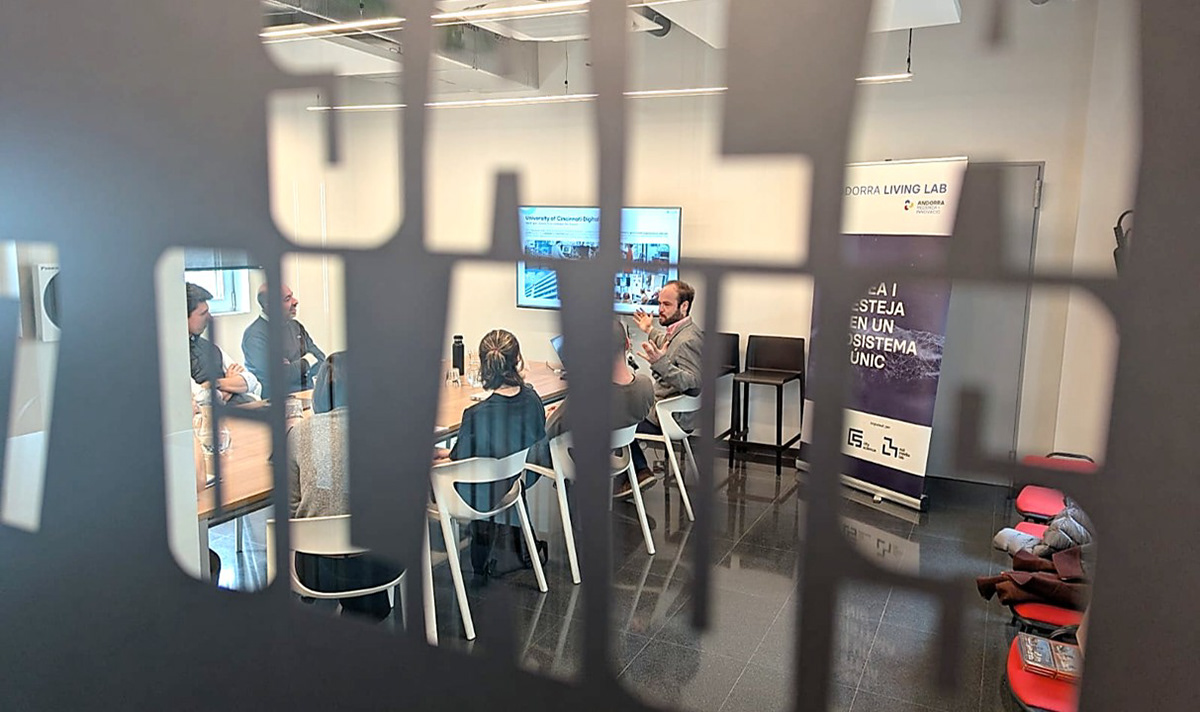
This body of work focuses on leading global strategic foresight, design thinking, and innovation engagements with Fortune 100 companies and national governments from 2019 to the present, including collaborations with FedEx, BTS, P&G, NVIDIA, HP, and government partners in the U.S Andorra and Colombia. Through immersive, participatory sessions conducted on site and virtually, this work helps executive teams explore how emerging technologies will reshape cities, organizations, and ways of working over the next 10 to 20 years. Grounded in established foresight frameworks and proprietary methodologies, these engagements combine future immersion, co design, and systems thinking to support organizations in mapping future business models and transformation strategies. The framework is intentionally flexible and scalable, enabling formats that range from single multi hour executive sessions to multi day workshops and long term advisory partnerships supporting sustained organizational and governmental transformation.
4 Case Studies
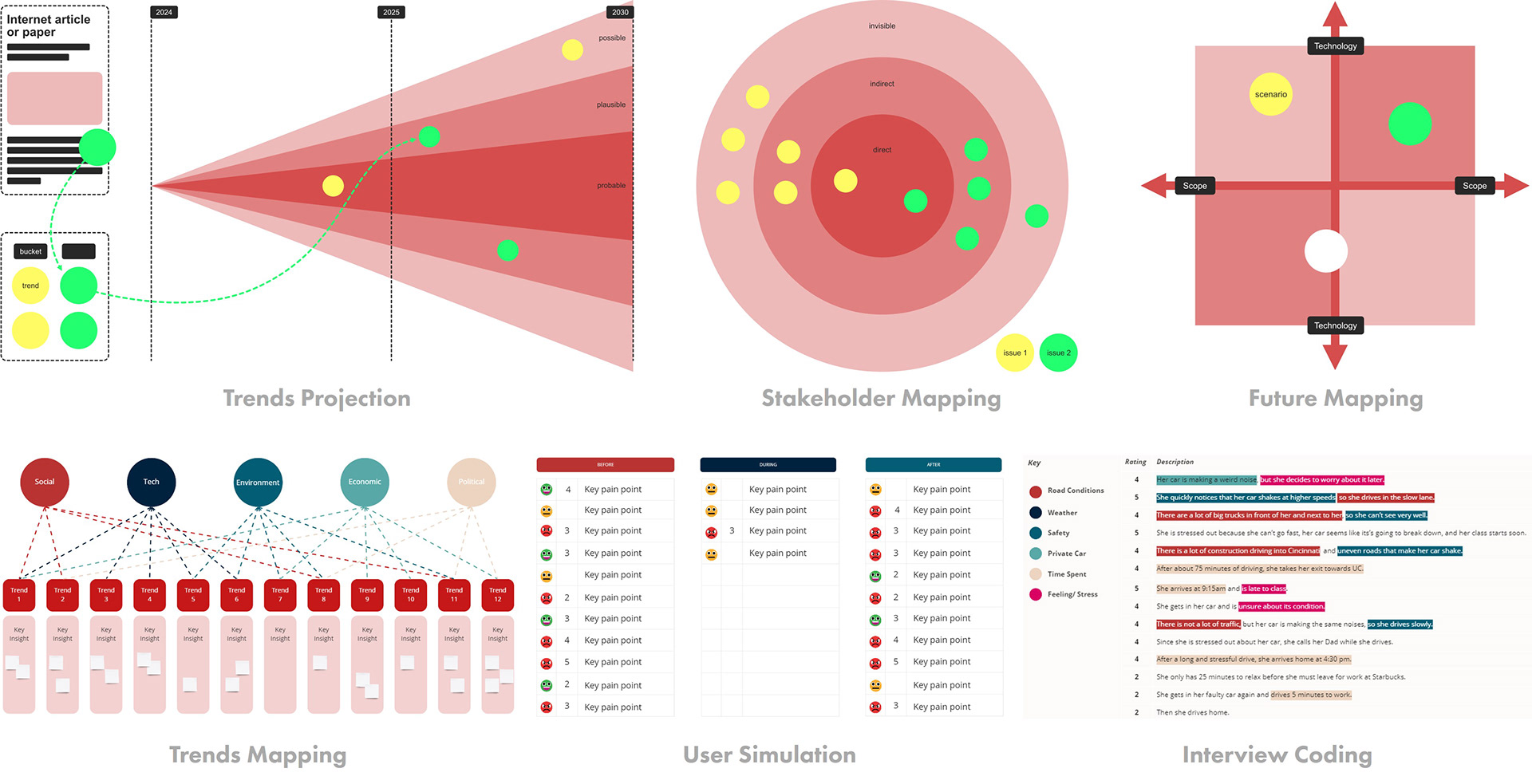
Sample Methodologies Used
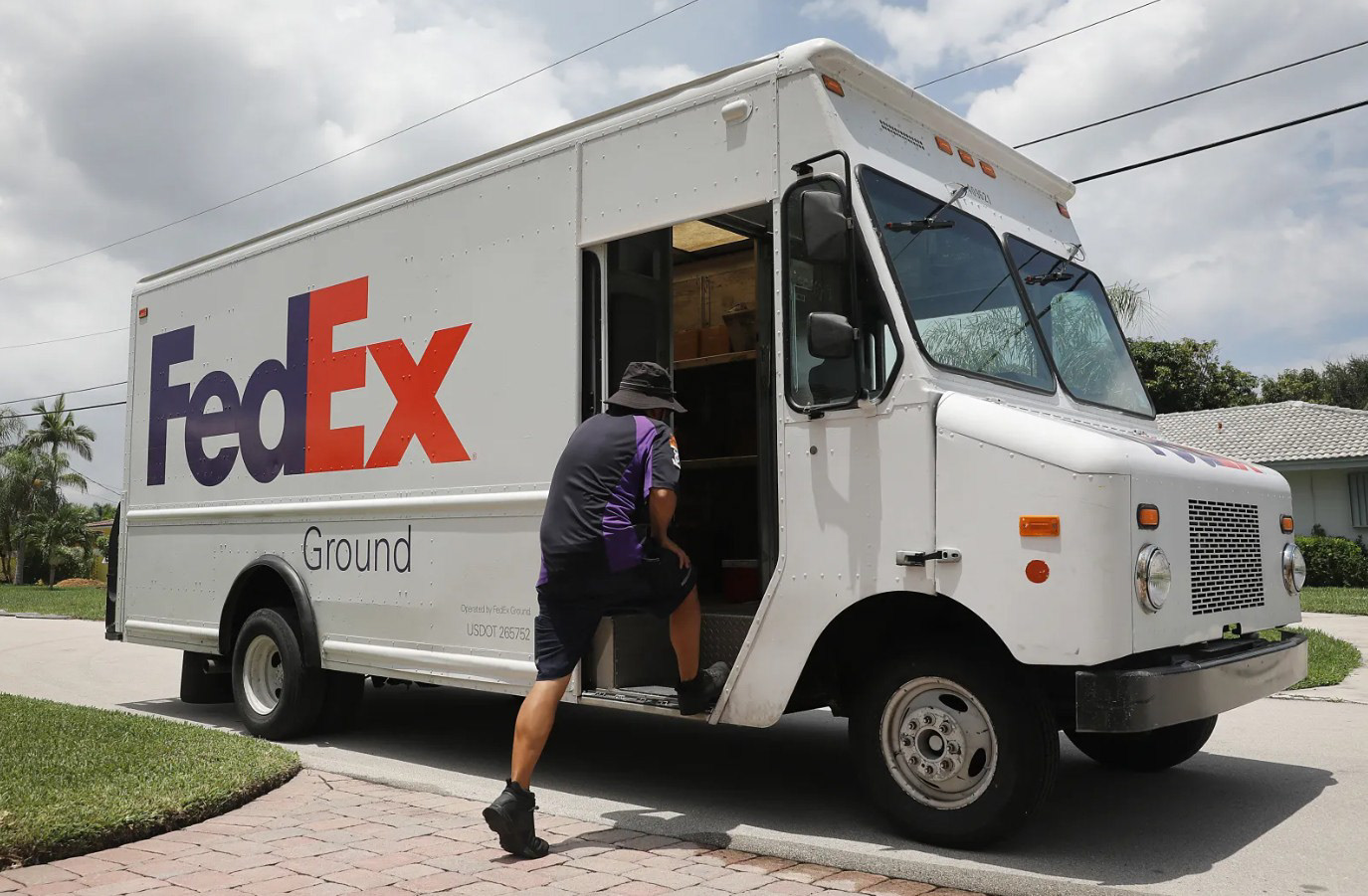
1. FedEx & BTS: Future Company Business Model
Synopsis
This project involved leading strategic foresight and design thinking sessions with global FedEx executives, in partnership with BTS, to explore how the organization can adapt over the next 10 to 20 years amid rapid technological and societal change. Grounded in proprietary foresight and innovation frameworks, the sessions immersed leadership in global megatrends such as AI, automation, and the digital economy, and guided them through a structured exploration of current and future operational realities. By mapping present day and future day in the life journeys of core roles, the engagement generated high value, expert driven insights that informed strategic thinking and long term business considerations, with outcomes used internally by the organization to support transformation and future planning.
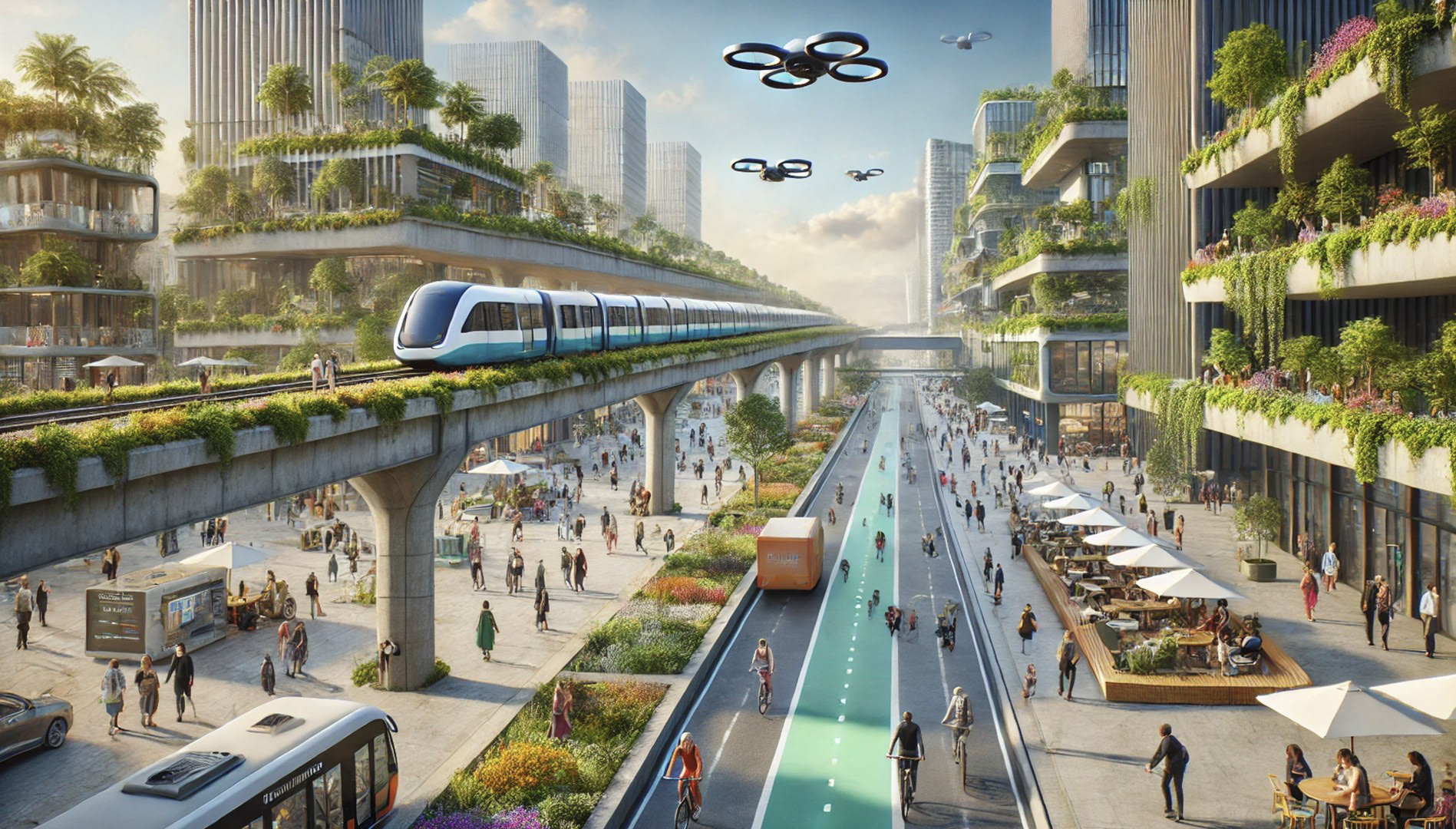
Phase 1: A window into the Future
This phase immersed executives in a structured exploration of global megatrends shaping the next 10 to 20 years, including AI, automation, the digital economy, and emerging models of work and logistics. Curated foresight frameworks were complemented by immersive AR and VR experiences of future cities, enabling participants to visualize how technological and societal shifts may transform urban environments, infrastructure, and daily operations. This shared future context established a strong foundation for informed, strategic discussion in subsequent phases.
Phase 2, Current Day in the Life
This phase focused on grounding future discussions in present reality by mapping a current day in the life of a core operational role, the delivery driver. Through facilitated design thinking exercises, FedEx subject matter experts documented workflows, constraints, pain points, and decision moments across the end to end journey. This process surfaced critical operational insights and opportunity areas, creating a shared understanding of existing challenges and establishing a baseline against which future scenarios and innovations could be evaluated.
This phase focused on grounding future discussions in present reality by mapping a current day in the life of a core operational role, the delivery driver. Through facilitated design thinking exercises, FedEx subject matter experts documented workflows, constraints, pain points, and decision moments across the end to end journey. This process surfaced critical operational insights and opportunity areas, creating a shared understanding of existing challenges and establishing a baseline against which future scenarios and innovations could be evaluated.
Phase 3, Future Day in the Life
This phase extended the current state journey 10 to 20 years into the future, integrating emerging technologies and megatrends such as AI, automation, and digital platforms. Building on insights from the previous phases, participants reimagined future workflows, roles, and interactions, identifying how technological and systemic shifts could alleviate pain points and unlock new operational efficiencies. The exercise generated forward looking, expert driven insights that informed strategic thinking around future business models, workforce evolution, and long term organizational transformation.
This phase extended the current state journey 10 to 20 years into the future, integrating emerging technologies and megatrends such as AI, automation, and digital platforms. Building on insights from the previous phases, participants reimagined future workflows, roles, and interactions, identifying how technological and systemic shifts could alleviate pain points and unlock new operational efficiencies. The exercise generated forward looking, expert driven insights that informed strategic thinking around future business models, workforce evolution, and long term organizational transformation.
Mapping Exercise and Framework used
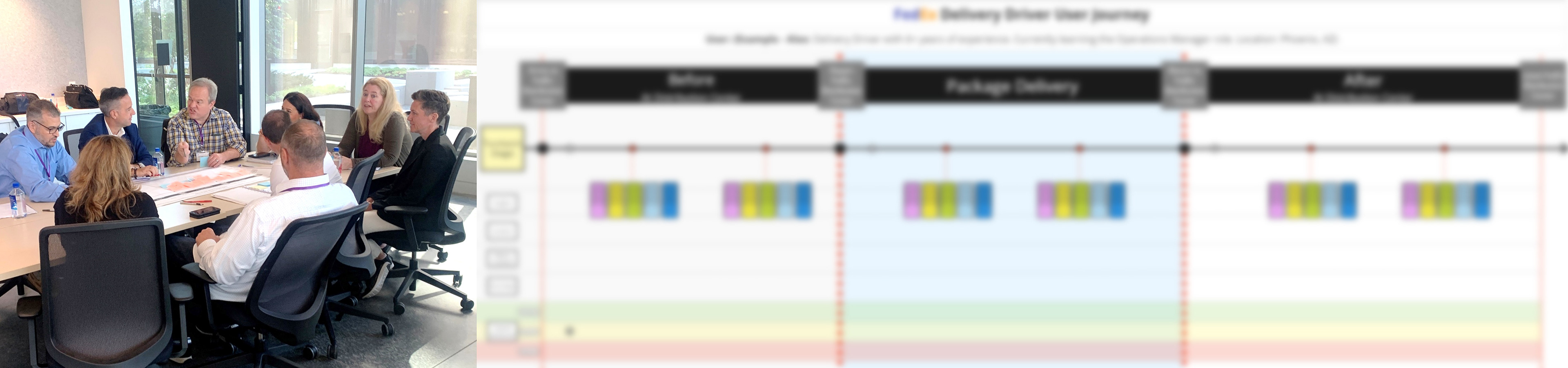
The outcomes of these sessions provided FedEx leadership with a structured foundation for future focused decision making, grounded in expert insights and real operational context. The synthesis of current and future day in the life journeys revealed clear opportunity areas for technological adoption, process optimization, and workforce evolution, which were captured as strategic inputs for internal use and remain NDA protected. Follow up discussions with global executives supported deeper reflection on these insights and opened pathways for next steps, including the possibility of visualizing these future scenarios through Digital Twins and immersive technologies to further inform long term planning and transformation efforts.
2. Andorra: Future Strategic Plan for the Country

Synopsis
This case study centers on applying strategic foresight and design thinking methodologies with the Government of Andorra, a uniquely positioned European micro country facing urgent structural challenges and transformative opportunities. With limited geographic access through road connections to Spain and France, highly seasonal demographic fluctuations driven by winter tourism, and increasing pressure from climate change shortening winter seasons, Andorra requires a new long term strategic vision to sustain economic resilience and quality of life. My role was to facilitate future focused, cross governmental sessions that brought together experts from mobility, innovation, technology, and public policy to identify opportunity areas, co design systemic solutions, and explore how emerging technologies can shape the country’s next decades. These initial foresight and co design engagements laid the foundation for an expanded collaboration with Andorra Recerca + Innovació and the University of Cincinnati, positioning Andorra as a potential global reference for human centered, technology enabled national transformation.
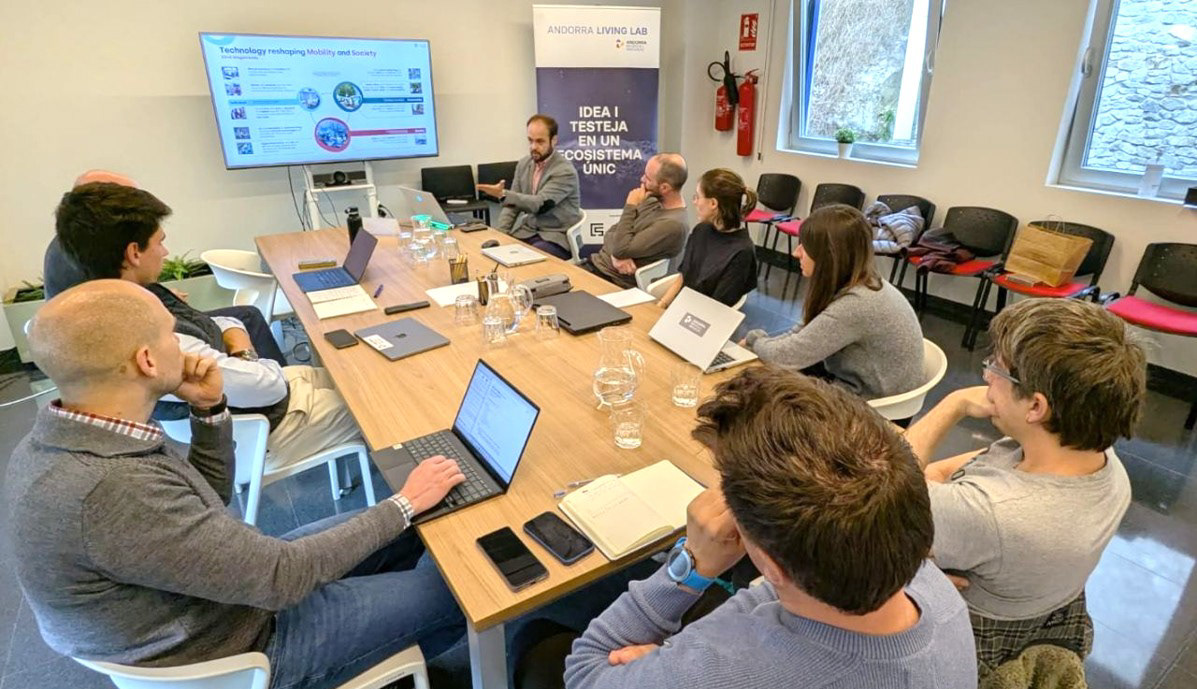
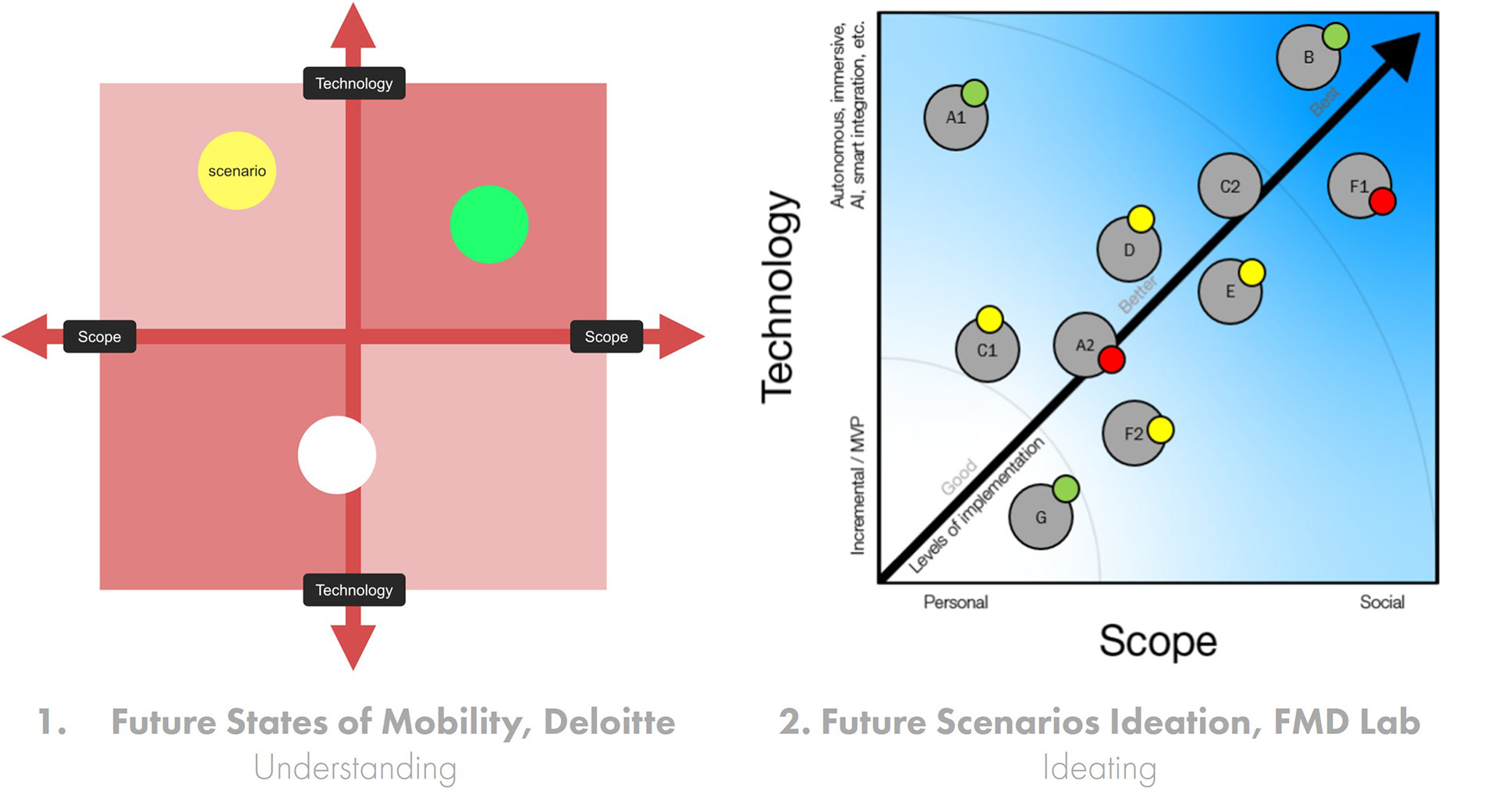
The design thinking sessions conducted in Andorra brought together government stakeholders from multiple sectors to collaboratively explore the country’s current challenges and future opportunities through a structured, three phase process. The first phase focused on understanding existing pain points and opportunity areas across mobility, access, services, and economic development, grounding the discussion in lived realities and institutional constraints. The second phase guided participants through the ideation of future scenarios, defining key variables, trade offs, and technological and policy implications across different possible futures. The final phase assessed actionable next steps, including required resources, potential partnerships, and realistic timelines, enabling stakeholders to move from vision to implementation and establishing a shared foundation for Andorra’s long term strategic transformation.
Proprietary Future Scenario Ideation Methods

The outcomes of these sessions created a shared strategic foundation across government stakeholders and revealed clear pathways for continued collaboration and action. By aligning around common opportunity areas and future scenarios, the work informed priorities for policy development, infrastructure investment, and technology enabled innovation, while establishing momentum for concrete next steps. As a result, a formal Memorandum of Understanding and NDA are now in place with the Government of Andorra, enabling continued collaboration to support pilot projects, additional initiatives, and longer term partnerships. This agreement positions the work as a platform to extend human centered, data informed, and immersive methodologies across multiple sectors, supporting Andorra’s ongoing national transformation toward a more resilient, connected, and future ready model that enhances quality of life.
3. City of Cincinnati: Revitalizing the Innovation Corridor
Synopsis
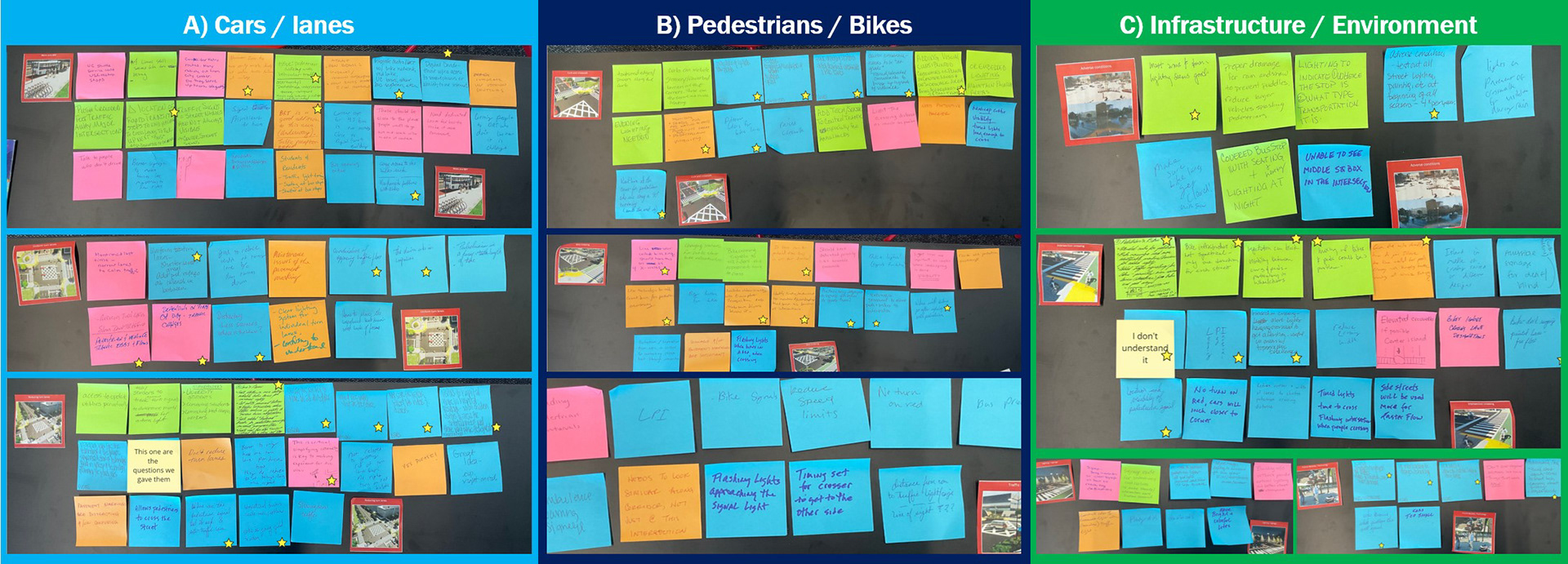
This case study centers on a 6 month collaboration with the City of Cincinnati focused on advancing urban planning through large scale stakeholder engagement powered by proprietary design thinking and strategic foresight methodologies. The core of the work was a 50 plus participant co design workshop that brought together experts from multiple branches of city government and local industry to assess current conditions within the Cincinnati Innovation Corridor and explore future socio economic and business growth opportunities. Digital Twins of a selected intersection were used as a complementary, immersive tool to support discussion, visualization, and shared understanding, strengthening the facilitation process rather than replacing it.
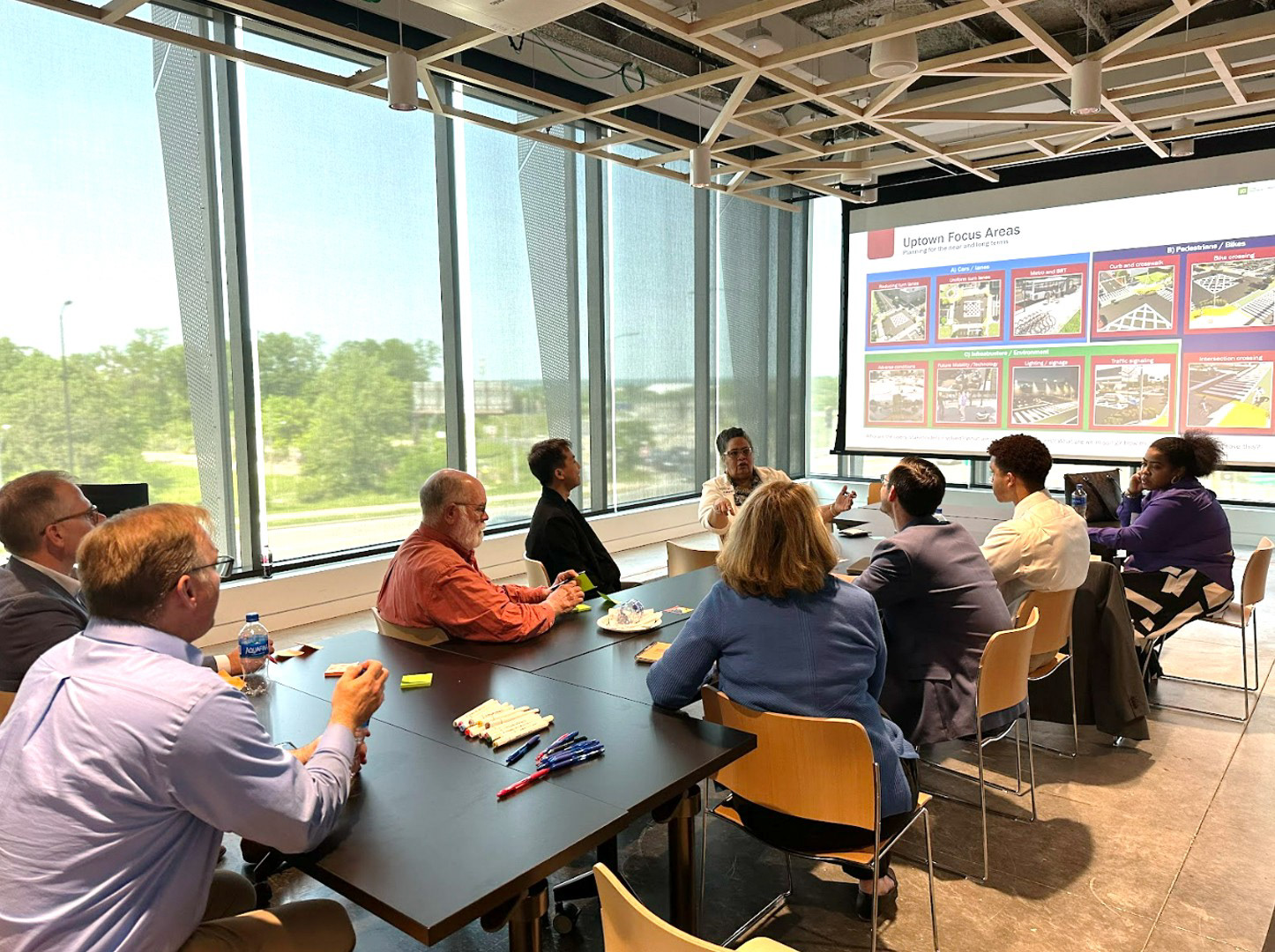
The innovation of this project lies in the integration of structured foresight, participatory design, and immersive Digital Twin technologies to generate high quality qualitative insights from real decision makers. Feedback gathered through these sessions was consolidated into a strategic report now informing budgetary decisions, resource allocation, and grant pursuits at the city level. The methodology and outcomes have also been disseminated through city wide publications and peer reviewed academic papers, positioning this work as both an applied planning intervention and a contribution to research on participatory, technology enabled urban decision making.
The insights generated through these sessions provided the City of Cincinnati with a high value, qualitative understanding of opportunity areas, constraints, and future possibilities informed directly by expert stakeholders. While the specific outcomes and recommendations remain confidential, the synthesized findings were delivered to the city through a dedicated impact report that is now informing internal planning, budgetary considerations, and strategic decision making. Building on this foundation, additional workshops with community members and other stakeholder groups have since taken place, and new public and private partners are being integrated into ongoing discussions. Together, these next steps are supporting the development of a future thinking, inclusive plan for the Cincinnati Innovation Corridor that continues to evolve through collaboration, foresight, and human centered design.
4. P&G, NVIDIA, HP: GenA.I Transforming Tech Sector
Synopsis
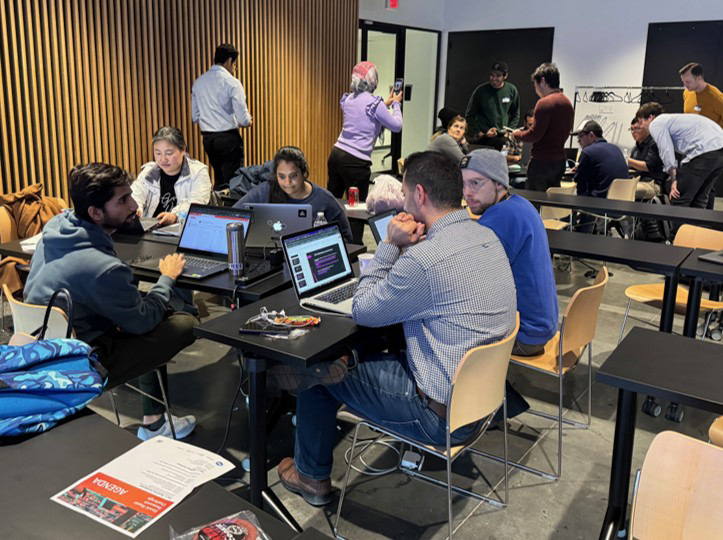
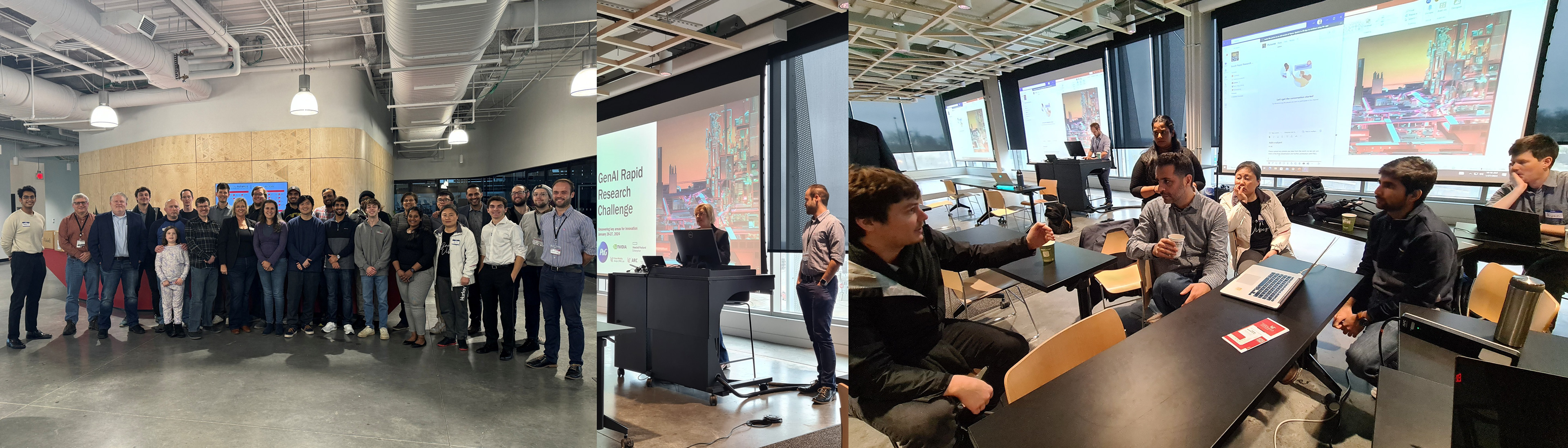
The GenAI Rapid Research Challenge was a strategic foresight and innovation collaboration with Procter & Gamble, NVIDIA, and HP, hosted at University of Cincinnati Digital Futures. The initiative brought together industry executives, academic researchers, and multidisciplinary undergraduate and graduate students to explore how Generative AI could reshape products, services, and workflows across industries.
Using proprietary design thinking, human centered research, and strategic foresight methodologies, the workshop enabled participants to identify opportunity areas, develop and prototype GenAI driven concepts, and present future focused solutions to industry sponsors. The challenge established a scalable framework for industry academia collaboration, accelerating innovation, talent development, and the exploration of emerging GenAI applications, with outcomes currently under NDA and internal review for further development.
Interested in more information?
The case studies presented represent a wide range of industries, governments, and national and international organizations where my proprietary facilitation, design thinking, innovation, and strategic foresight frameworks have been tested and applied. Due to the nature of these collaborations, a significant portion of the insights, data, and outcomes are protected under non disclosure agreements and cannot be publicly shared. However, I would be glad to discuss these projects in more detail, including the methodologies used, strategic value created, and how these frameworks can be adapted to different organizational, policy, and industry contexts.
Thank you for getting to the end!