
Leading a design-led NASA research grant focused on improving astronaut decision making in deep-space missions through user-centered UX and intuitive UI design. The work delivered 5+ user flows, 50+ wireframes and prototypes, and validated interfaces informed by astronaut interviews, now being further developed and tested by NASA and VISIMO under NDA.
Timeline: 2024- Present
Industry: Aerospace
Roles: Principal Investigator and Project Manager.
Team included 1 PM from VISIMO, 1 point of contact and several astronauts from NASA, 1 Research Assistant and 2 graduate students.
Funding Amount: NDA Protected
Results & Impact
•Delivered a UX and UI prototype system for autonomous communication in deep-space missions, including 5+ validated user flows, 50+ wireframes, and finalized UI screens developed in Figma, with clear interaction logic, visual hierarchy, and decision-critical layouts.
•The team produced a complete UX/UI design system, including interface patterns, text hierarchy, color logic, and branding guidelines optimized for high-risk, high-cognitive-load environments.
•Conducted qualitative interviews and validation sessions with NASA astronauts and domain experts, using feedback to iteratively refine user journeys, task flows, and interface designs.
•Delivered a comprehensive project report and full Figma design files now being further developed internally by NASA and VISIMO, with plans to test these UX/UI prototypes in simulated deep-space mission conditions.
•I have continued my involvement as a design and UX advisor, supporting ongoing development and positioning these interfaces for potential integration into future space missions under NDA.
Focus: As emerging technologies such as AI reshape global industries, this project explored how A.I and autonomous systems can safely support decision making in deep-space missions. Given the high-risk, mission-critical nature of space exploration, the work applied a user-centered approach to ensure astronauts and ground control can understand, trust, and act on complex information through intuitive UX and UI design that improves accuracy and safety.
Methods: Applied advanced UX and UI methods including user journey mapping, task and user flow analysis, wireframing, and interactive prototyping, combined with rigorous human-factors research. The process integrated expert-informed insights, system and market research, and iterative design evaluation to align interface design with mission-critical performance requirements in autonomous environments.
Confidentiality: All data collected and UX/UI prototypes are the property of NASA and are protected under strict NDA. While specific outcomes cannot be publicly shared, I’m happy to discuss the process, methods, and high-level impact upon request.
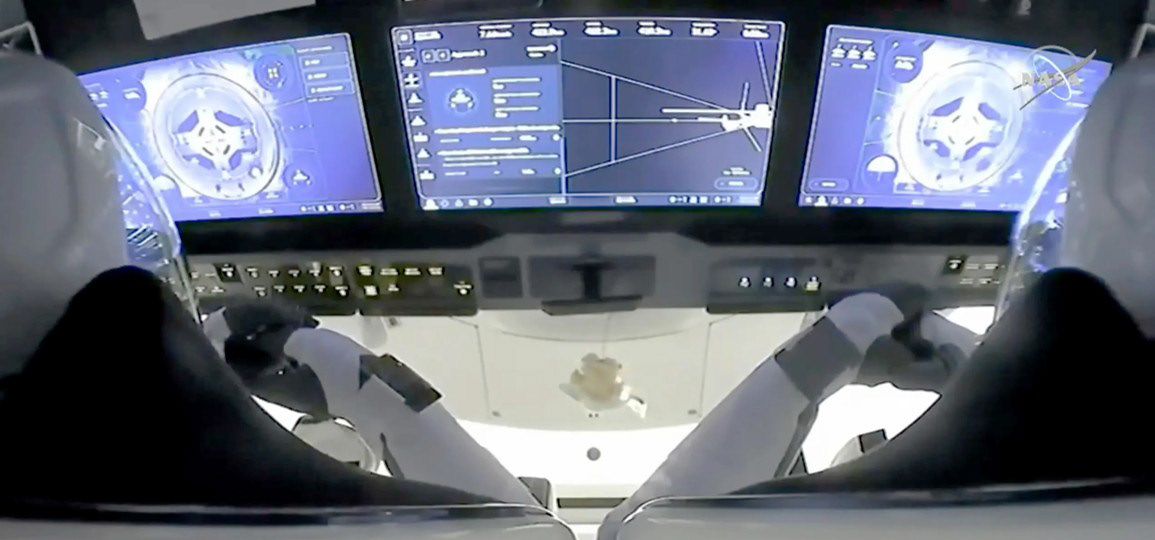
Phase 1: Research and System Mapping
•Conducted extensive secondary research on space operations, human factors, NASA technical documentation, and comparable high-risk industries.
•Translated findings into system maps, flow charts, user journeys, and task analyses to define critical workflows and decision contexts.
•Structured the UX strategy around 3 core areas:
•Physical Environment: Cabin ergonomics, cognitive load, and astronaut performance constraints.
•Digital Environment: Real-time data visualization and decision-support UI design.
•Trust in the Technology: Qualitative research to ensure astronauts and stakeholders develop confidence in the system.

•Reviewed NASA and industry Human-Factors guidelines addressing ergonomics and human performance in space.
•Assessed current UI design standards and AI-assisted UX optimization for safety-critical systems.
•Studied analogous high-risk industries with similar constraints around critical decision making, safety, and limited operating environments.
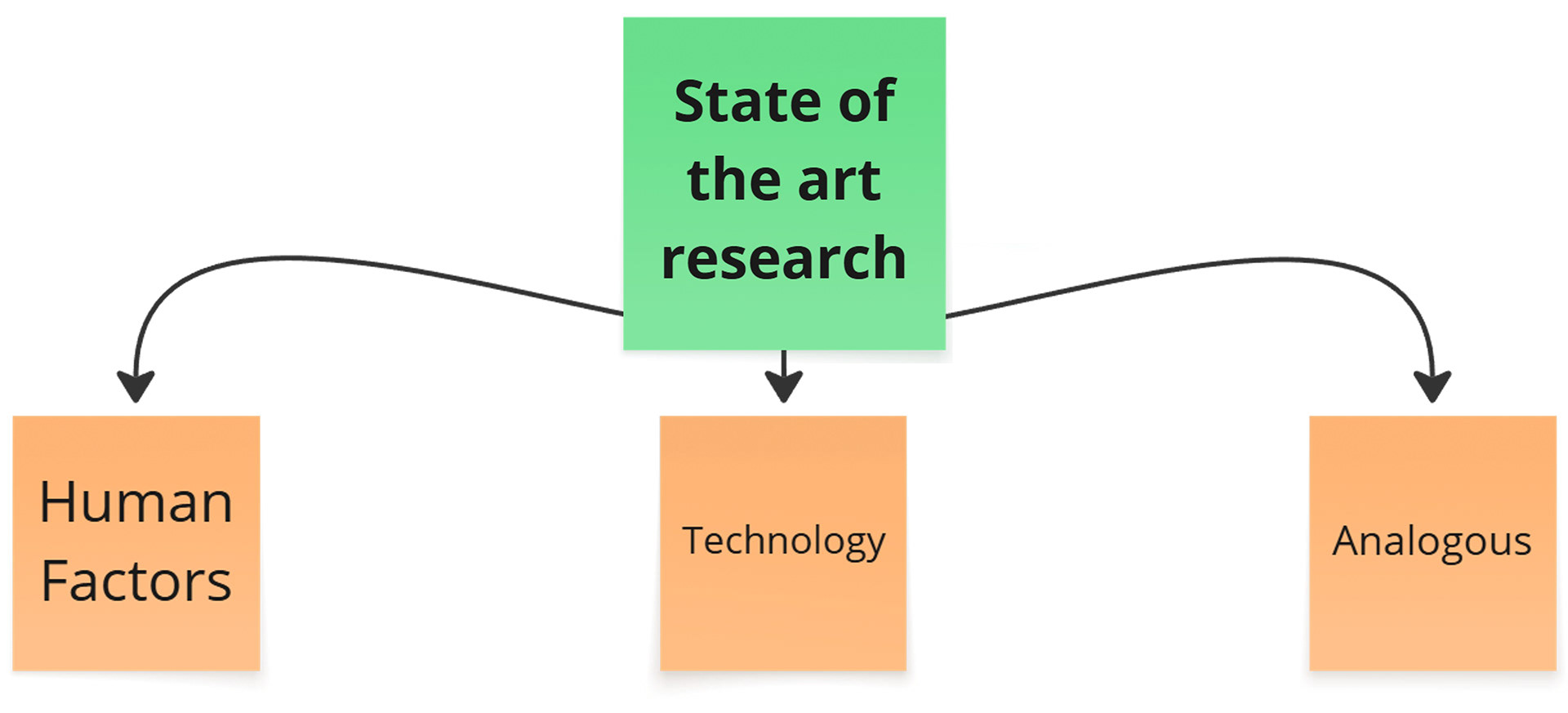
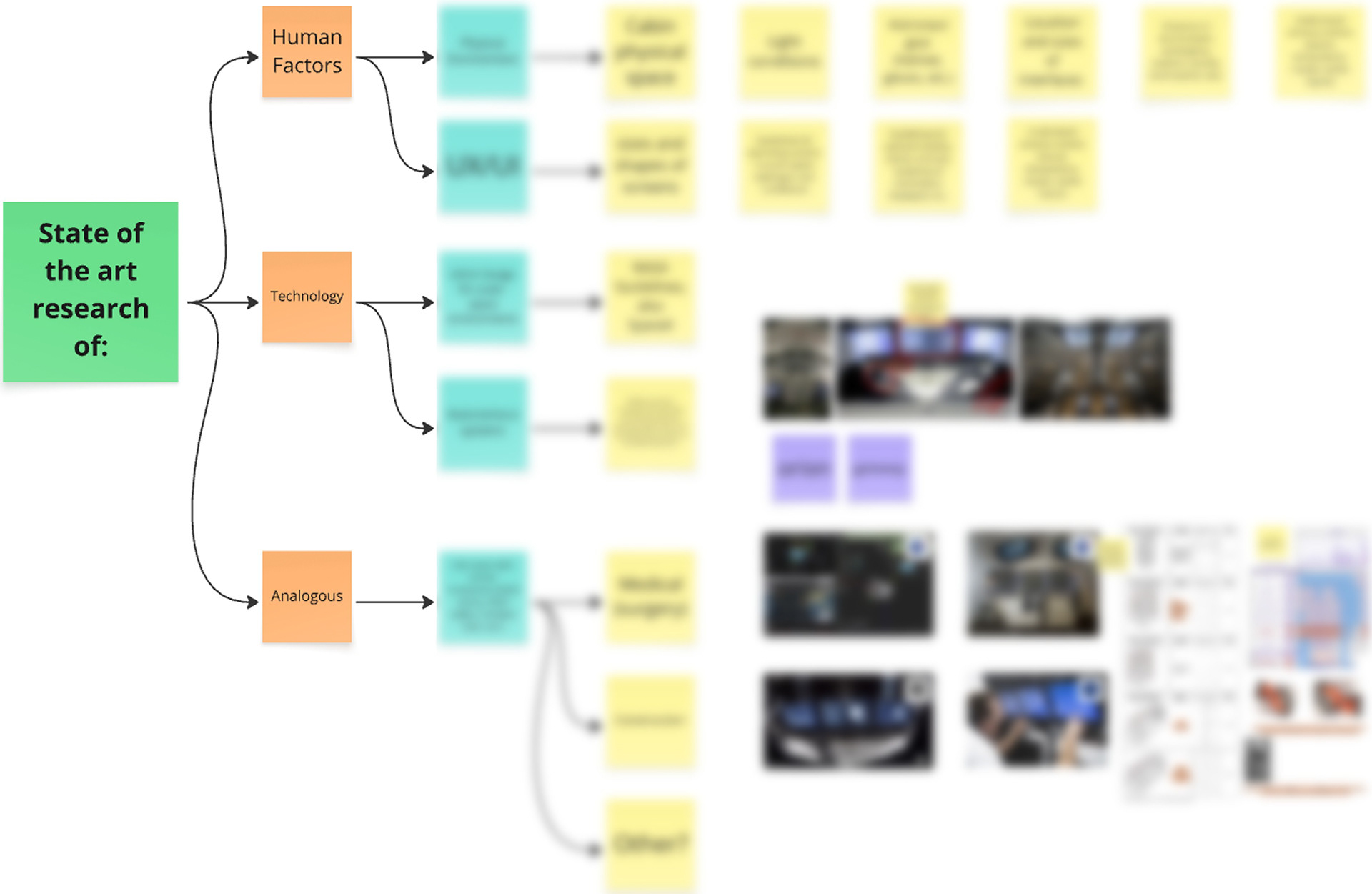
State of the art Research on human factors, technology, and analogous industries
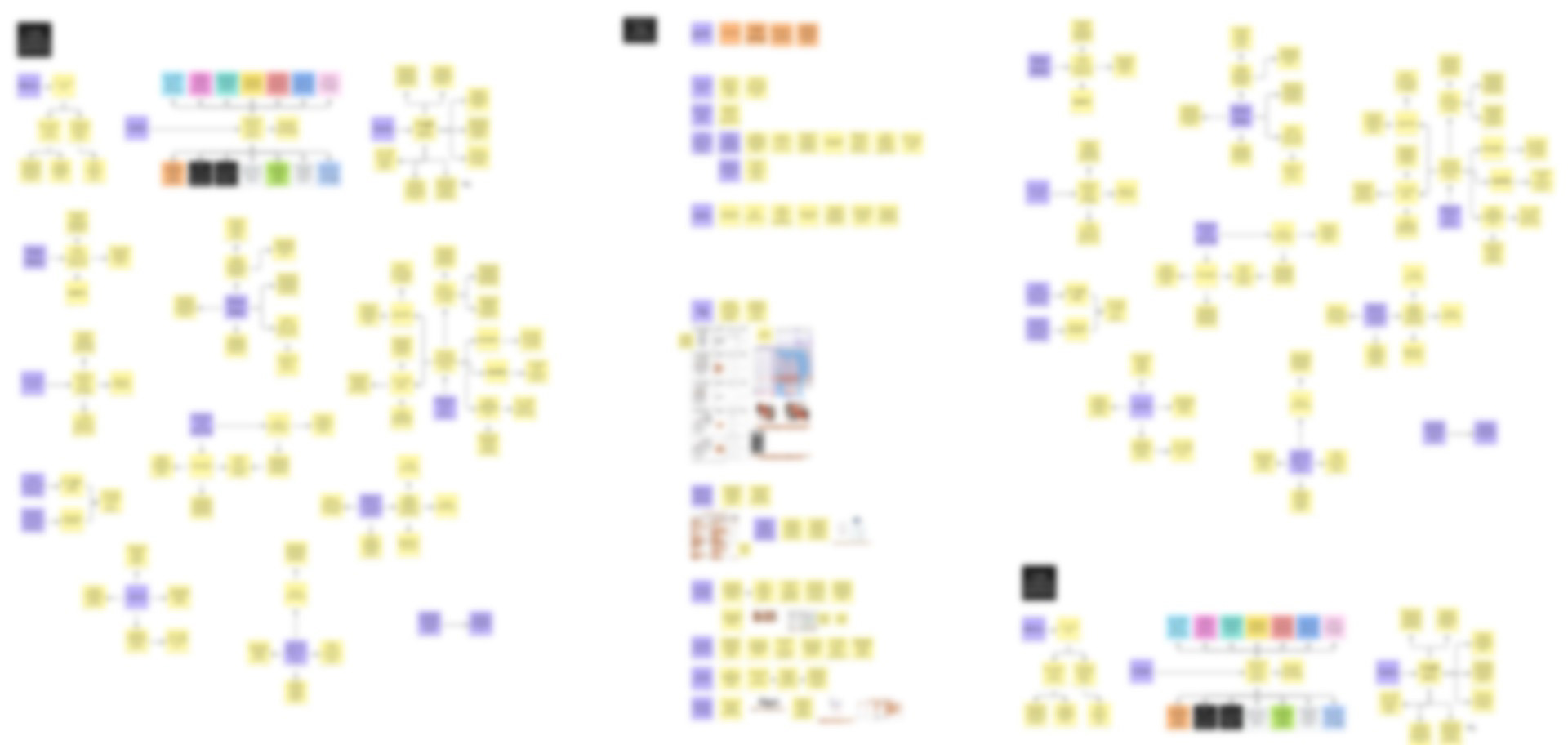
Overview of initial analysis and user flow mapping of secondary research
Phase 2: UX Flow Development and Early Prototyping
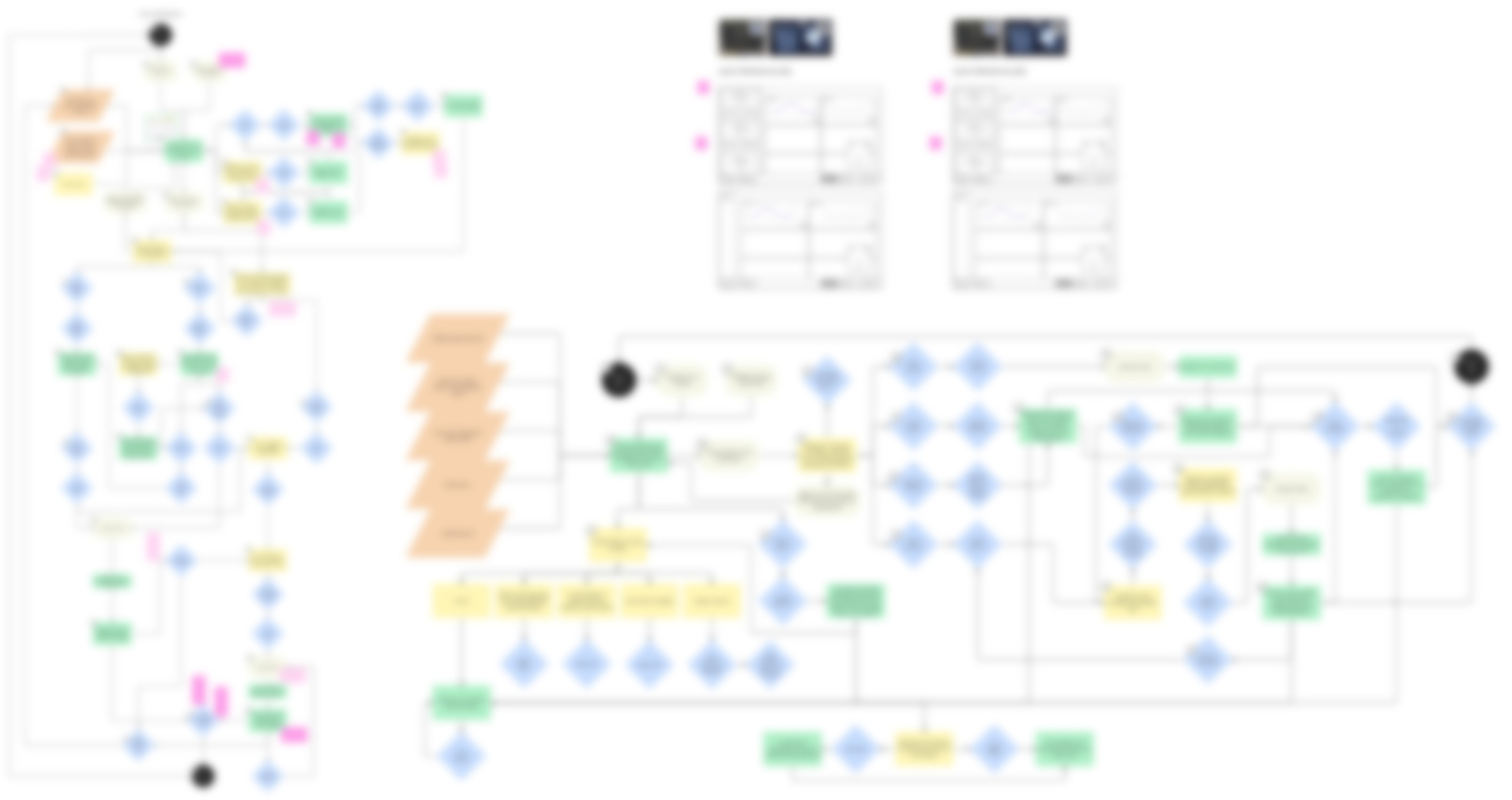
•Developed 5+ detailed UX flows, moving from high-level decision paths to secondary actions and interaction logic.
•Translated flows into early wireframes in Figma to define layout, hierarchy, and interaction patterns.
•Integrated qualitative insights from astronaut and subject-matter expert interviews to validate early concepts.
Phase 3: UI Design and Validation
•Advanced wireframes into 50+ finalized UI screens in Figma, supported by defined branding, color hierarchy, and typography guidelines for mission-critical clarity.
•Refined 5+ core user flows and validated interaction logic through review sessions with astronauts and subject-matter experts.
•Delivered a comprehensive system report, updated user journeys, and fully documented Figma prototypes now used for continued internal testing and development.
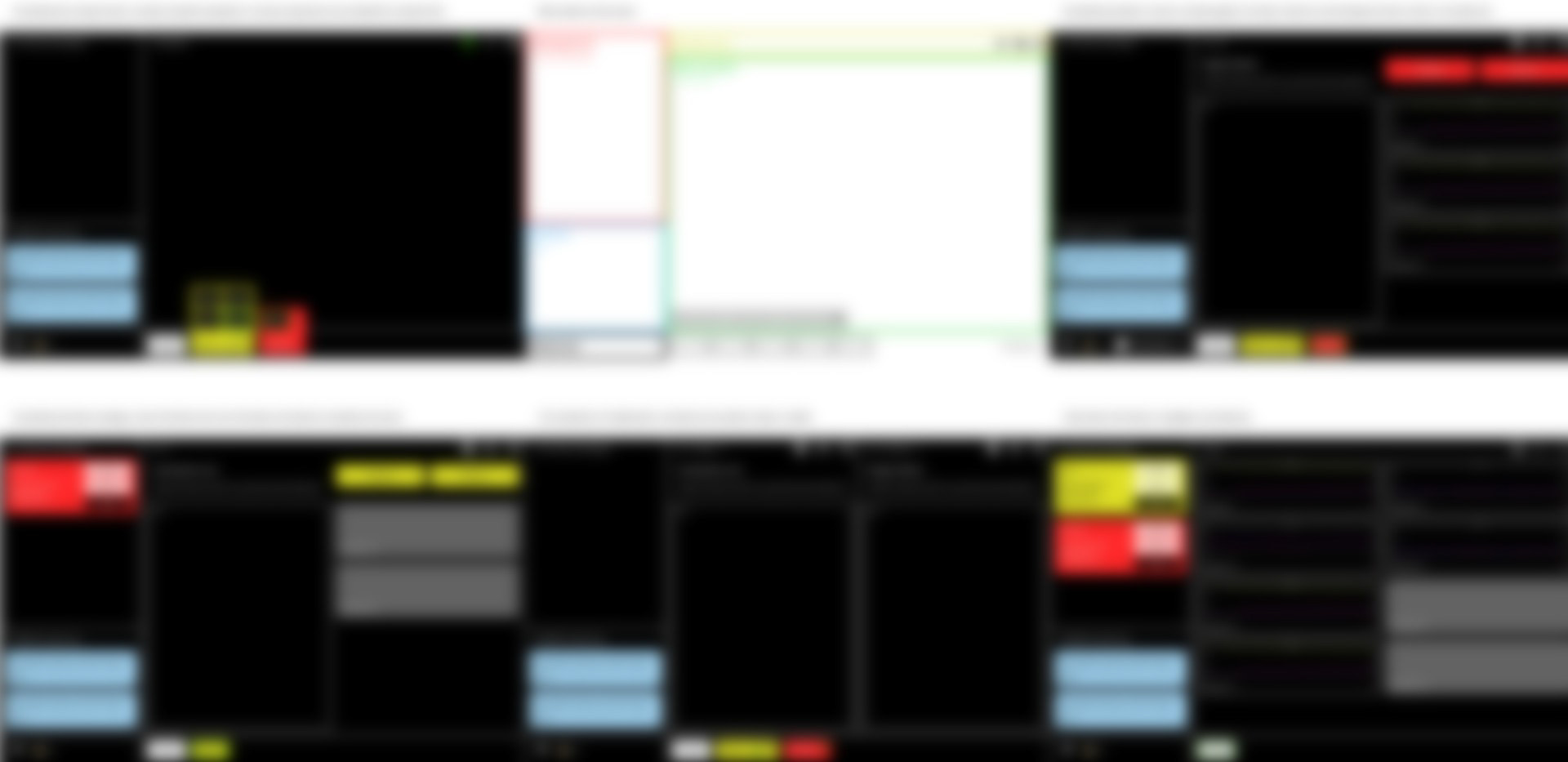
Blurred process sample
•Continuing to advise NASA during ongoing validation and refinement, supporting alignment between research, prototyping, and implementation.
•Demonstrated how human-centered UX can directly inform autonomous systems in high-risk environments, setting a precedent for future space exploration and other mission-critical domains.
•Demonstrated how human-centered UX can directly inform autonomous systems in high-risk environments, setting a precedent for future space exploration and other mission-critical domains.
Interested in more information?
This NASA-sponsored work is highly confidential. While detailed outcomes cannot be shared, I am happy to discuss the human-centered methodologies, UX/UI frameworks, and broader implications upon request.