
Future Mobility Design Lab, UC Digital Futures
Founded and led a globally recognized research and innovation enterprise at the intersection of user-centered design, emerging technology, and societal impact, driving global business development, securing $2M+ in funded projects, and guiding multidisciplinary teams to deliver executive decision support for governments, Fortune 100 companies, and international partners.
Timeline: 2021- Present
Reach: Global Industries, governments, NPs, and Universities
Roles: Founding Director. Team includes 1 full-time Research Assistant, 1 full-time research intern, and depending on the project needs up to 5-10+ multidisciplinary undergraduate and graduate students.
Funding Amount: Our project portfolio contains some NDA protected work. The total funding amount approaches $2 million USD.
Results & Impact
• Built and scaled a global innovation enterprise, establishing 50+ partnerships with governments, Fortune 100 companies, consultancies, and academic institutions across North America, Latin America, Europe, and Asia, generating $2M+ in funded project activity.
•Delivered foundational UX research and design strategy that informed new business models, corporate initiatives, public-sector programs, and long-term investment decisions for partners including Boeing, P&G, FedEx, NASA, MIT, and Hyundai.
•Developed and deployed proprietary UX research, facilitation, and strategic foresight methodologies, integrating AI and AR/VR, used by executive teams to guide high-stakes decision making.
•Led and mentored a 20+ person multidisciplinary team, contributing to 8 awarded U.S. patents, international awards, competitive grants, and NDA-protected outcomes implemented in real-world contexts.
•Focus: Applying a user-centered and systemic approach to understand today’s needs and inform tomorrow’s solutions in partnership with governments, corporations, academia, and communities. Technology is positioned as an enabler of better decisions, not the solution itself, ensuring innovation remains grounded in real human needs.
•Methods: A comprehensive UX research toolkit combining qualitative and quantitative methods, including stakeholder interviews, surveys, participatory co-design, service blueprinting, systems mapping, STEEP analysis, future scenario development, and immersive prototyping with AR/VR and Digital Twins. Integrated AI-enabled dataset coding and analysis to translate complex inputs into actionable strategic insights.
•Confidentiality: The Lab’s work spans 5+ years of proprietary engagements with global partners. Specific data and outcomes are confidential and often under NDA, while methodologies and strategic frameworks are proprietary and shareable upon request.

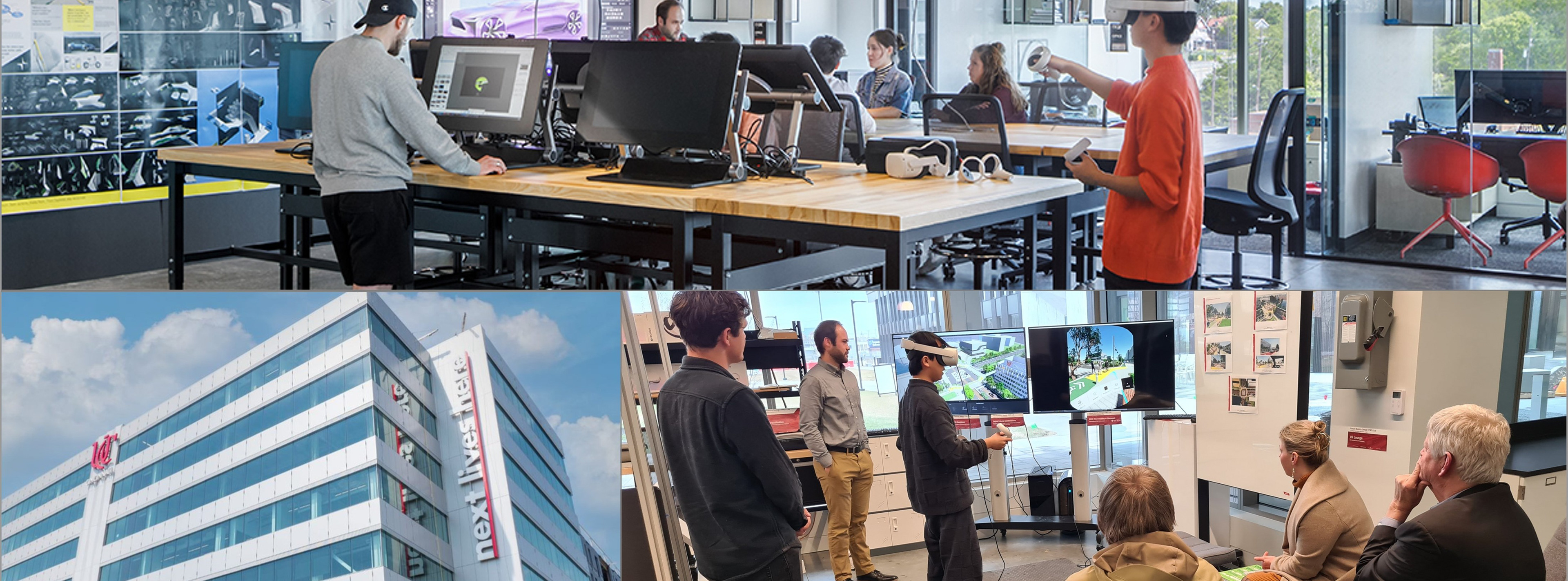
Creating an Innovation Enterprise, Future Mobility Design Lab
•Founded and scaled the Future Mobility Design Lab from the ground up into a nationally and internationally recognized research and innovation platform.
•Defined the Lab’s vision, built its research and technology capabilities, and established a global network across industry, government, academia, and non-profits.
•Led the full lifecycle of innovation, including grant strategy and funding, project execution, and all administrative, legal, and financial operations.
•Built and mentored multidisciplinary undergraduate and graduate teams, developing future-ready talent across design, technology, and systems thinking.
•Delivered high-impact projects resulting in competitive research funding, awarded patents, industry and government partnerships, and proprietary methodologies shaping the future of mobility, cities, and quality of life.
The future is about people.
Future Mobility Design (FMD) Lab, is a research playground focused on tackling the complex challenges of the future through partnerships with government, industry, academia, and non-profits. As global change accelerates through technological and societal shifts, we champion a human-centered approach to innovation that enhances quality of life.
Our expertise lies in applying systems thinking to bridge access global access to education, mobility, healthcare, housing, technology, employment, among other critical areas. With a presence across all continents, we’ve developed proprietary research methodologies in collaboration with international partners, combining deep human insights with advanced tools like AR/VR, digital twins, and multi-level prototyping.
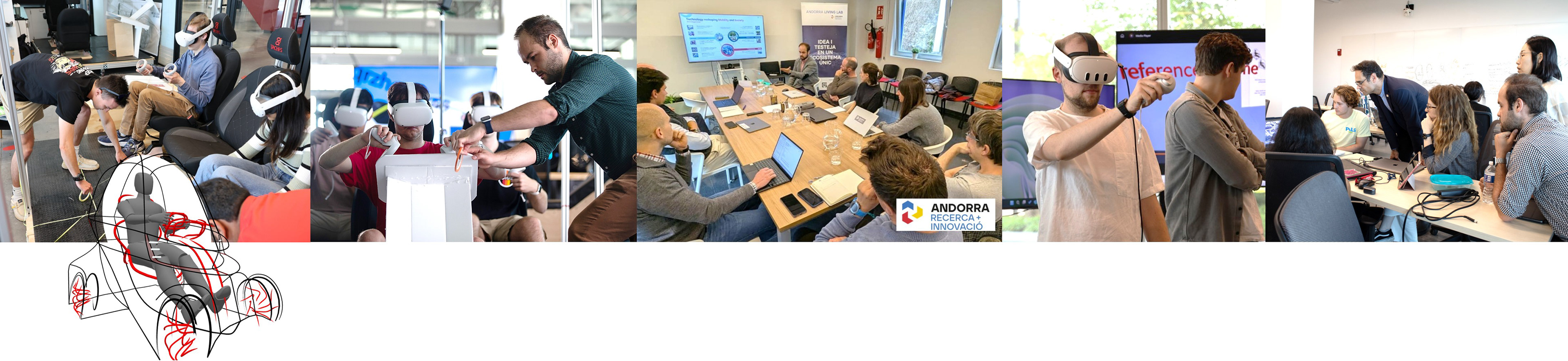
FMD Lab Overview
The new paradigm
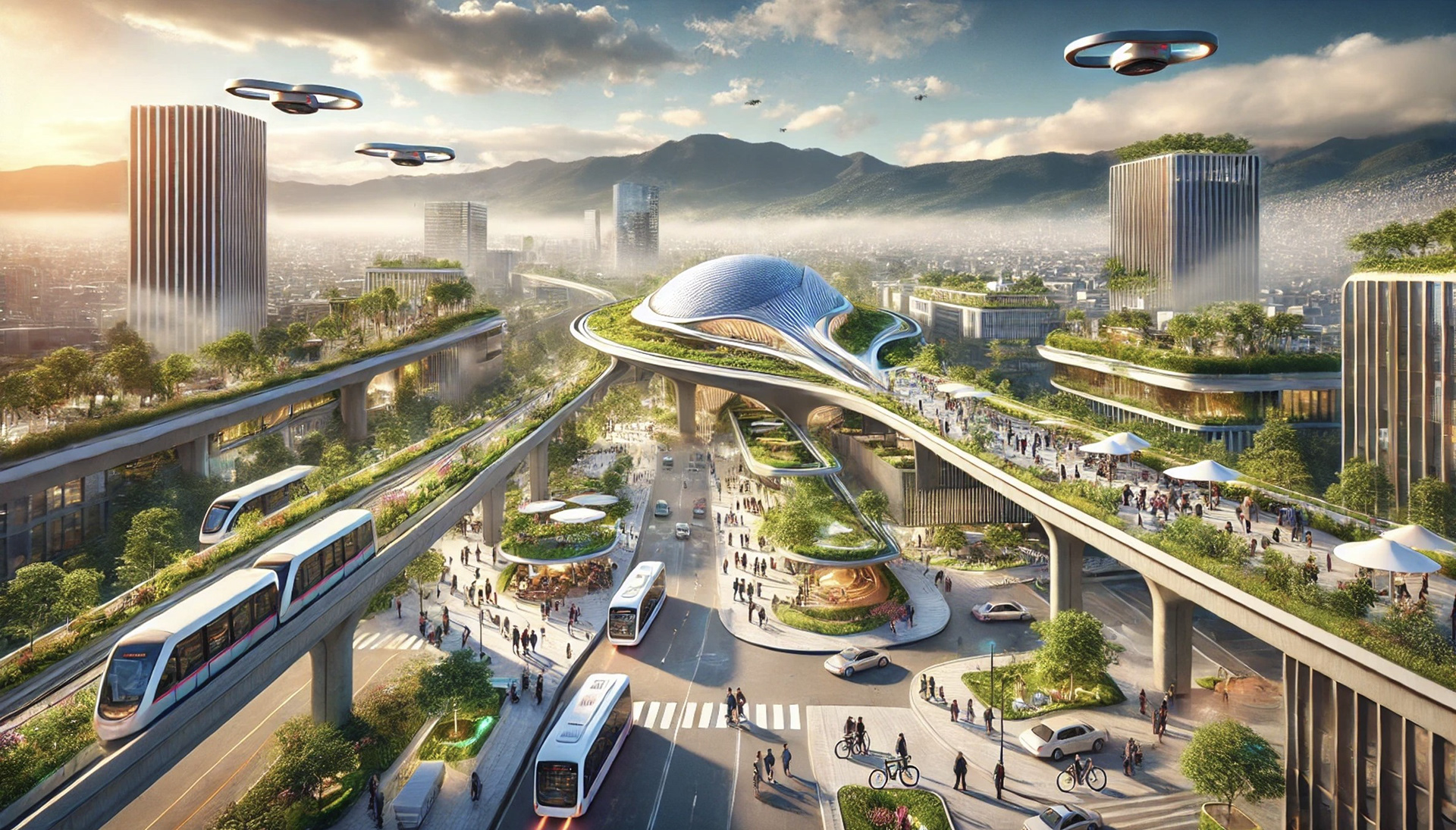
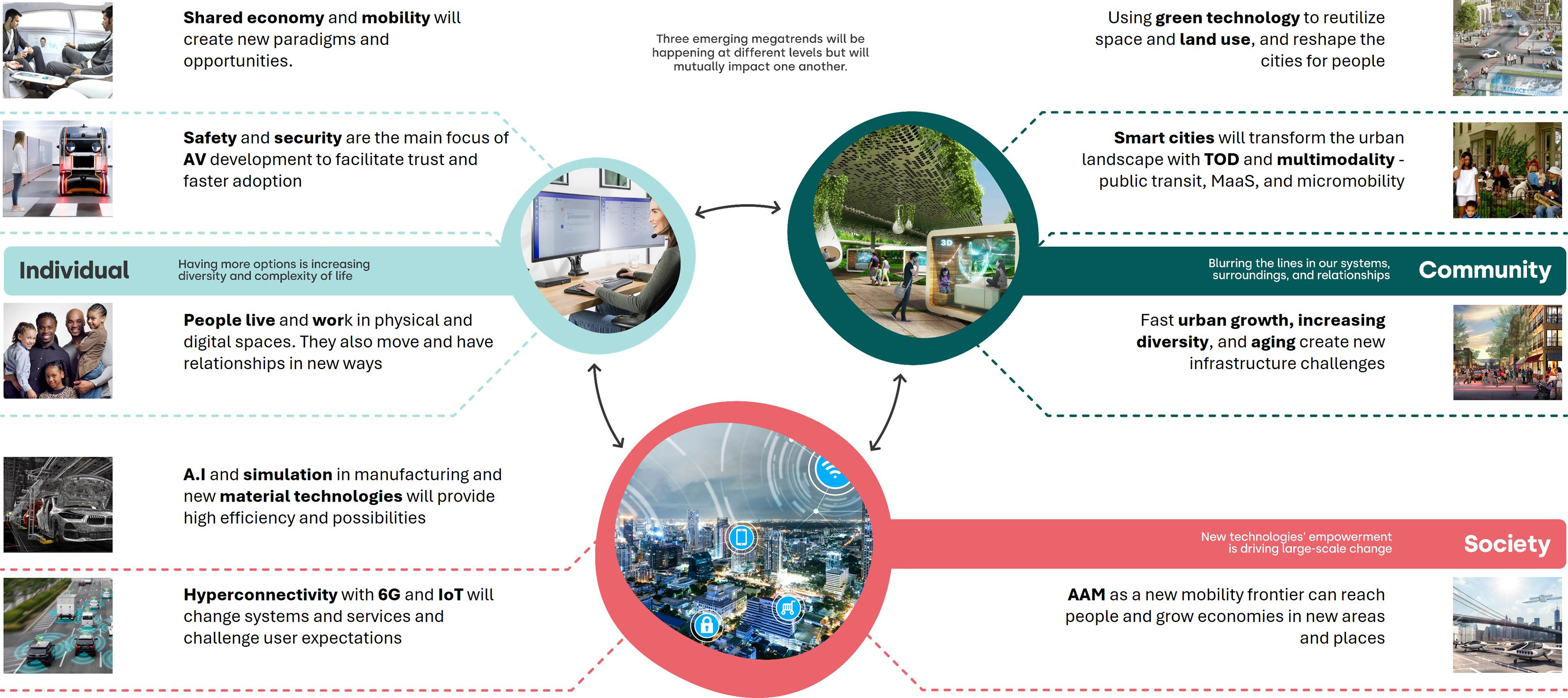
Increasing complexity and interconnectedness are fundamentally reshaping how we work, live, and play. Looking toward 2040, accelerating megatrends such as AI, hyperconnectivity, the shared economy, autonomy, smart cities, and virtuality, alongside profound socio demographic shifts, are evolving faster than governments, companies, and institutions can traditionally anticipate or respond to. These forces are not isolated, they interact, amplify one another, and create new uncertainties that demand a different approach to planning and decision making.
At the Future Mobility Design Lab, we build on established frameworks in trends forecasting, strategic foresight, and design thinking to address this new paradigm. We have developed proprietary futures frameworks that enable partners to collectively explore possible futures, understand implications across systems, and co design responses grounded in human needs and technological realities. This approach translates uncertainty into clarity, resulting in concrete strategic plans, future business models, and informed decision making strategies that help organizations navigate change and act with confidence in an increasingly complex world.
Proprietary human-centered research methodologies
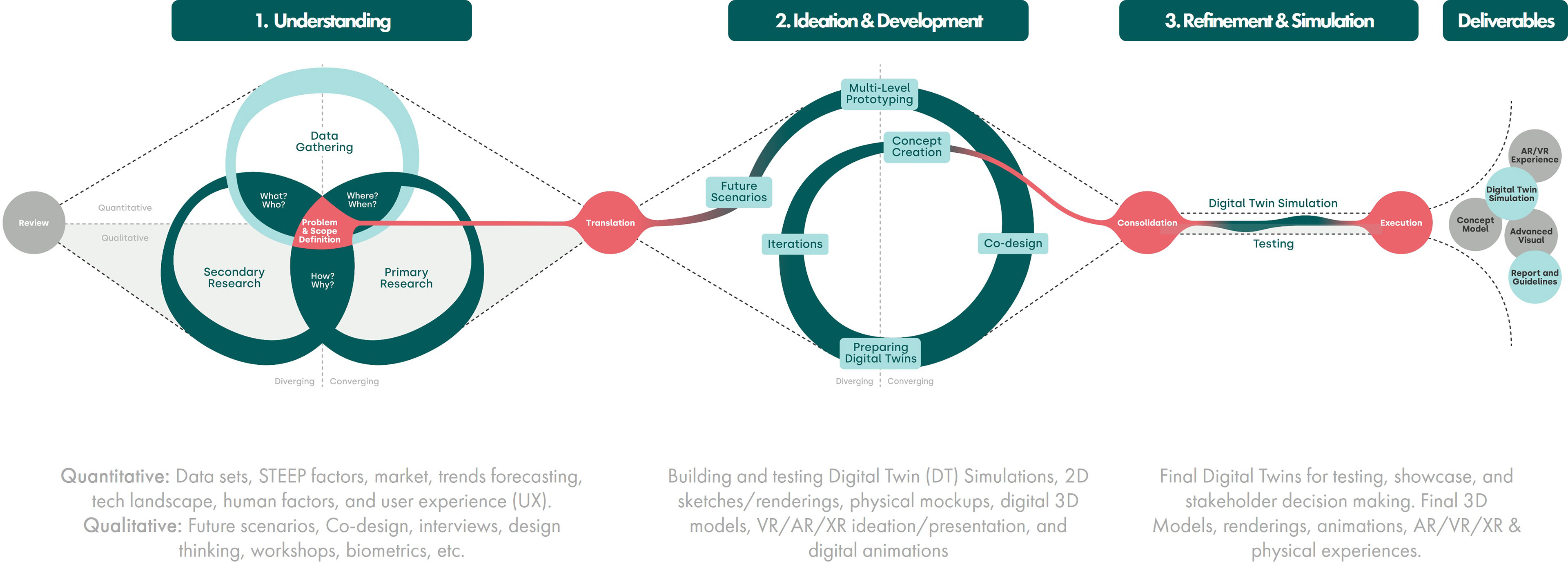
At the Future Mobility Design Lab, we developed a holistic, future scalable and forward research framework that redefines how human centered and design research can generate actionable value across sectors. Building on the Double Diamond as a starting point, our approach expands into a flexible, systemic framework organized around 3 core phases, with additional layers added depending on project context, scale, and stakeholder needs. This structure allows us to move seamlessly from understanding complexity to shaping and executing meaningful futures.
Phase 1: Understanding
The first phase focuses on deeply understanding a given context and its socio demographic, environmental, technological, and systemic variables. Using a combination of primary and secondary research, we synthesize quantitative inputs such as data sets, STEEP factors, market analysis, trends forecasting, technology landscapes, human factors, and user experience insights, alongside qualitative methods including interviews, co design sessions, future scenarios, workshops, and design thinking exercises. This phase establishes a clear opportunity space and defines future scenarios that respond directly to real needs and constraints.
The first phase focuses on deeply understanding a given context and its socio demographic, environmental, technological, and systemic variables. Using a combination of primary and secondary research, we synthesize quantitative inputs such as data sets, STEEP factors, market analysis, trends forecasting, technology landscapes, human factors, and user experience insights, alongside qualitative methods including interviews, co design sessions, future scenarios, workshops, and design thinking exercises. This phase establishes a clear opportunity space and defines future scenarios that respond directly to real needs and constraints.
Phase 2: Ideation & Development
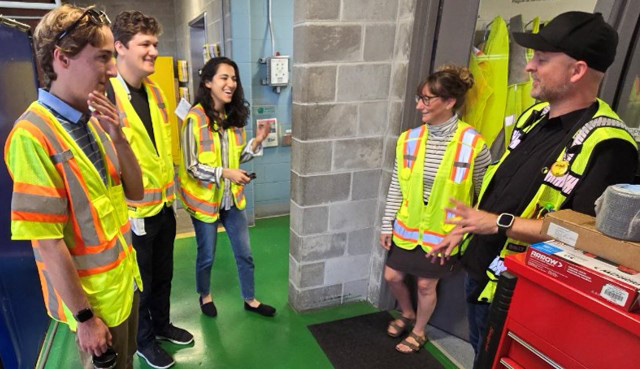
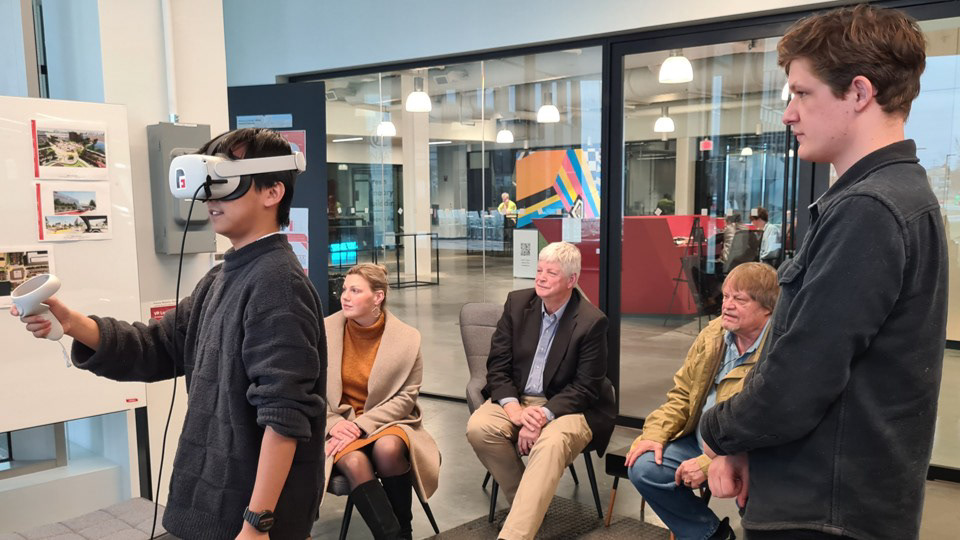
The second phase translates insights into ideas through structured ideation and experimentation. We apply proprietary frameworks such as multi level prototyping, Digital Twin ideation, and participatory co design to explore multiple possible solutions. Concepts are developed and tested through 2D sketches, physical mockups, digital 3D models, immersive AR, VR, and XR experiences, animations, and early Digital Twin simulations. This phase enables rapid learning, comparison of alternatives, and early validation with stakeholders.
The second phase translates insights into ideas through structured ideation and experimentation. We apply proprietary frameworks such as multi level prototyping, Digital Twin ideation, and participatory co design to explore multiple possible solutions. Concepts are developed and tested through 2D sketches, physical mockups, digital 3D models, immersive AR, VR, and XR experiences, animations, and early Digital Twin simulations. This phase enables rapid learning, comparison of alternatives, and early validation with stakeholders.
Phase 3: Refinement & Simulation
The final phase focuses on refining and operationalizing selected directions. Depending on project scope, outcomes may include final Digital Twins for testing and decision making, immersive experiences, strategic business plans, research reports, policy recommendations, or the definition of entirely new initiatives informed by the work. Final assets such as high fidelity Digital Twins, 3D models, renderings, animations, and AR, VR, and XR experiences support communication, alignment, and execution.
Ultimately, the value of these methodologies lies not only in the tools themselves, but in how they are applied. Years of experience adapting these frameworks across industries, governments, and global contexts have shaped them into the core intellectual property of the FMD Lab, enabling us to respond flexibly to complexity and deliver meaningful, human centered impact in diverse environments.
FMD Lab Wall of Projects
For full details of these projects, please click on the Selected Work., above!
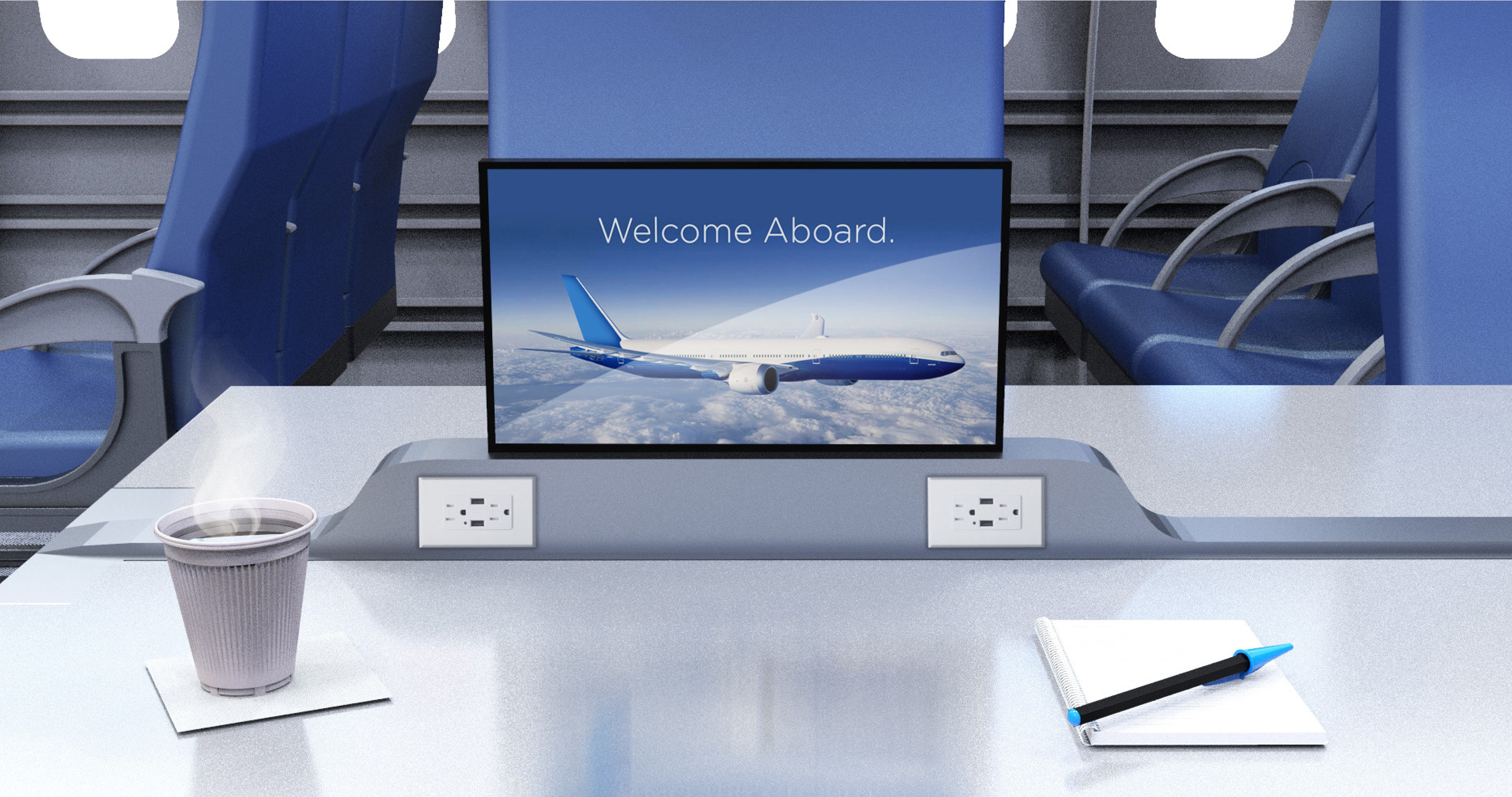
Boeing, Future of Aviation
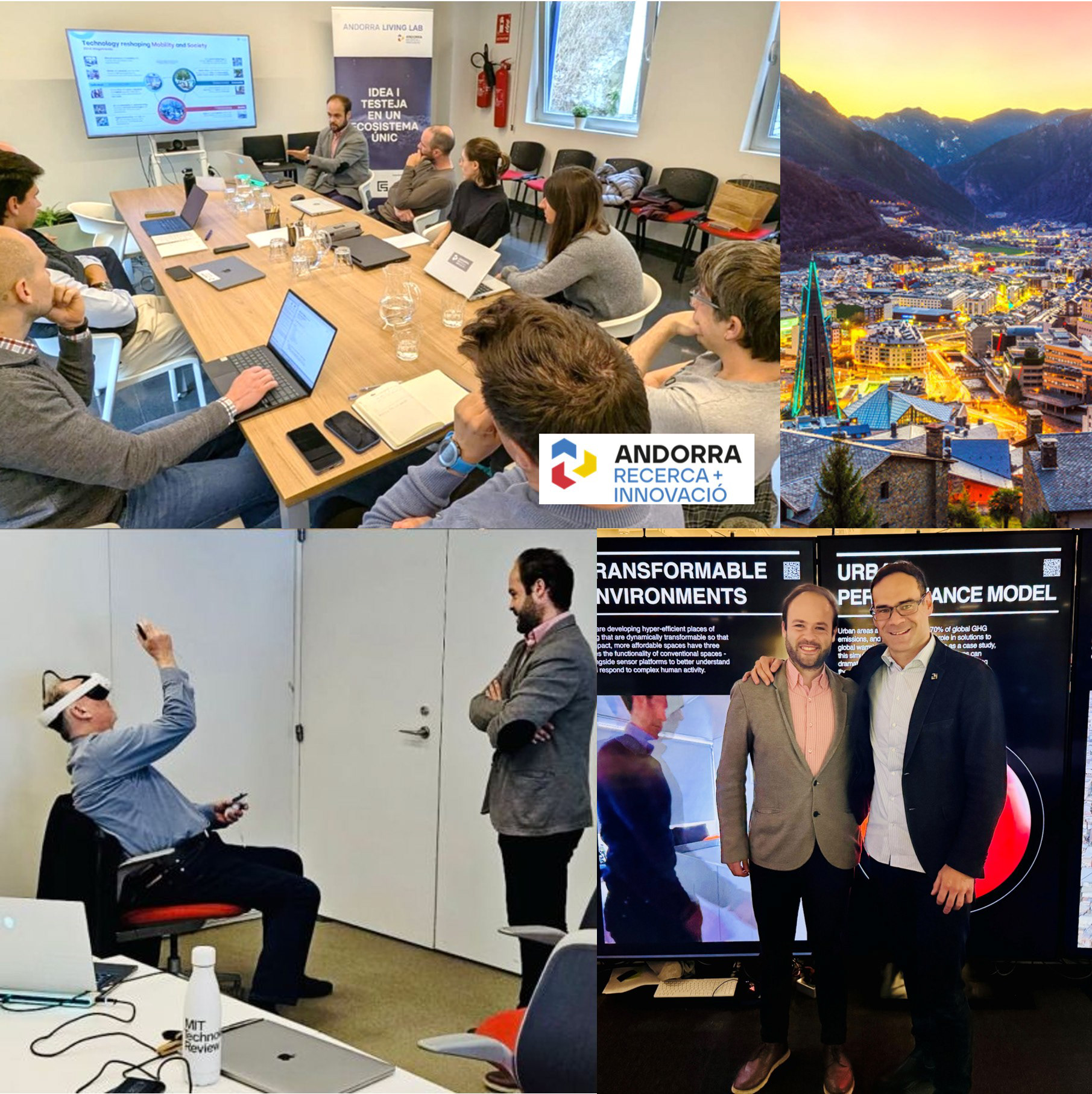
MIT City Science, Ongoing Partnership
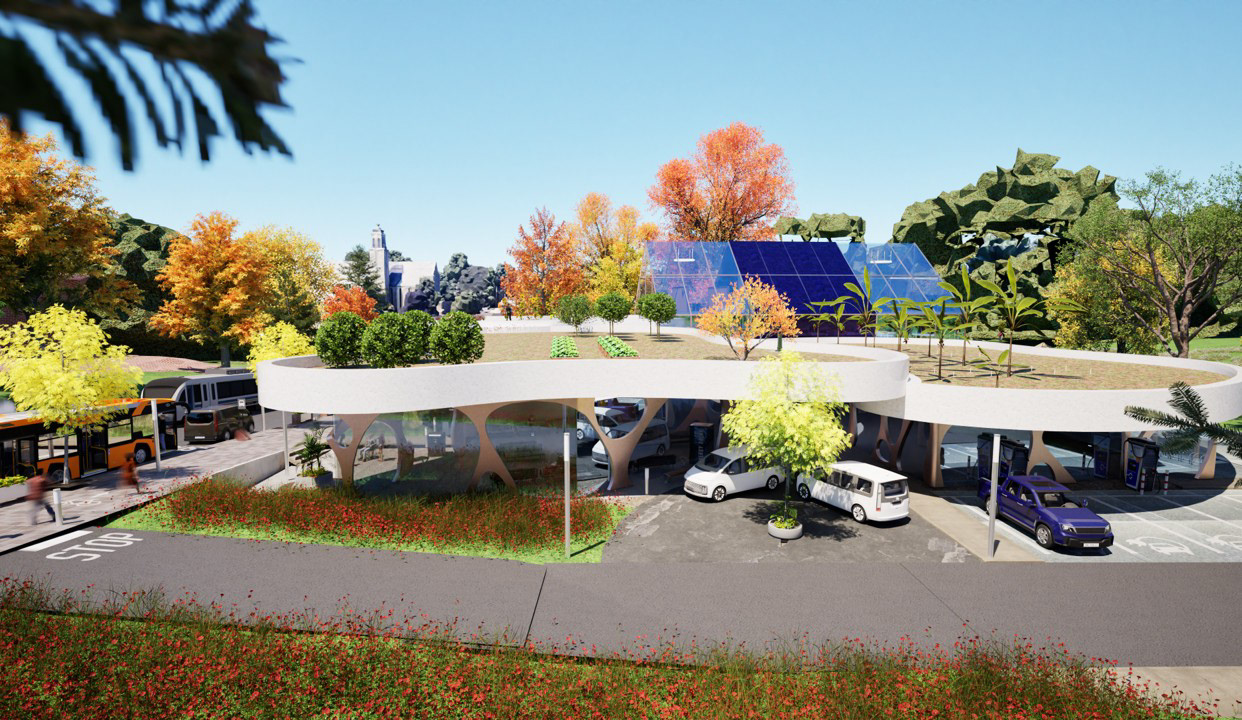
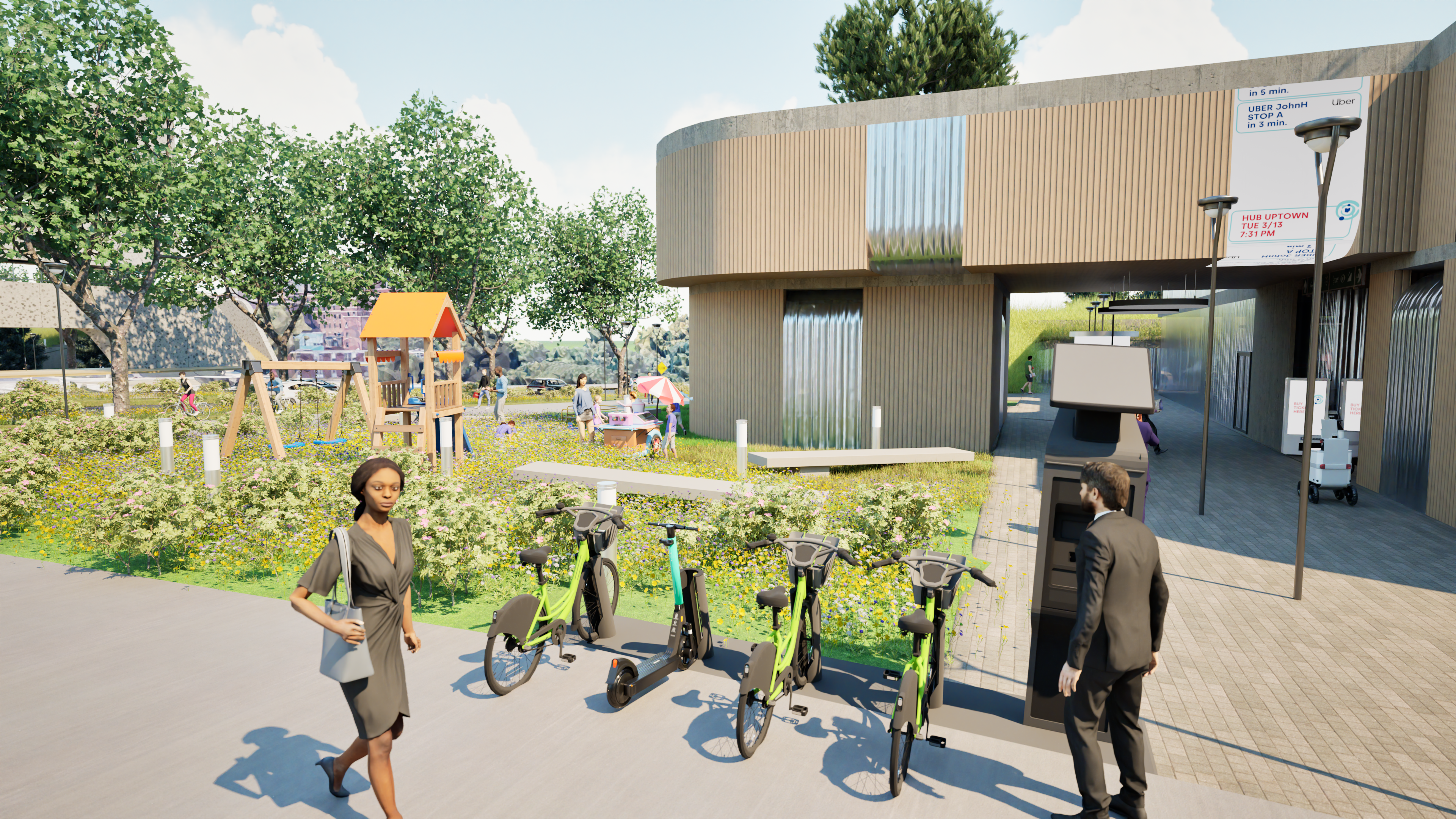
ODOT, Future Hubs
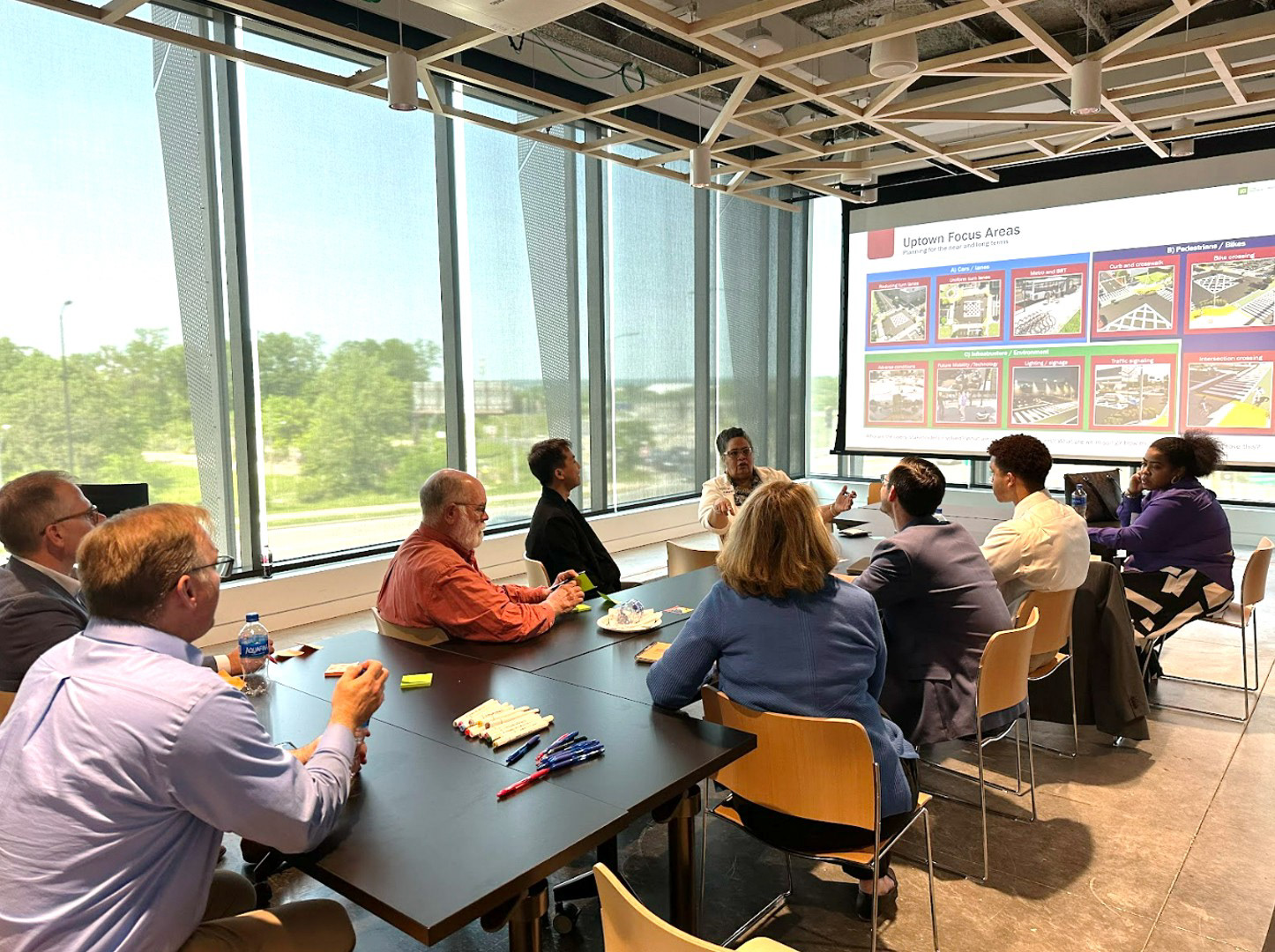
City of Cincinnati, Future Innovation Corridor
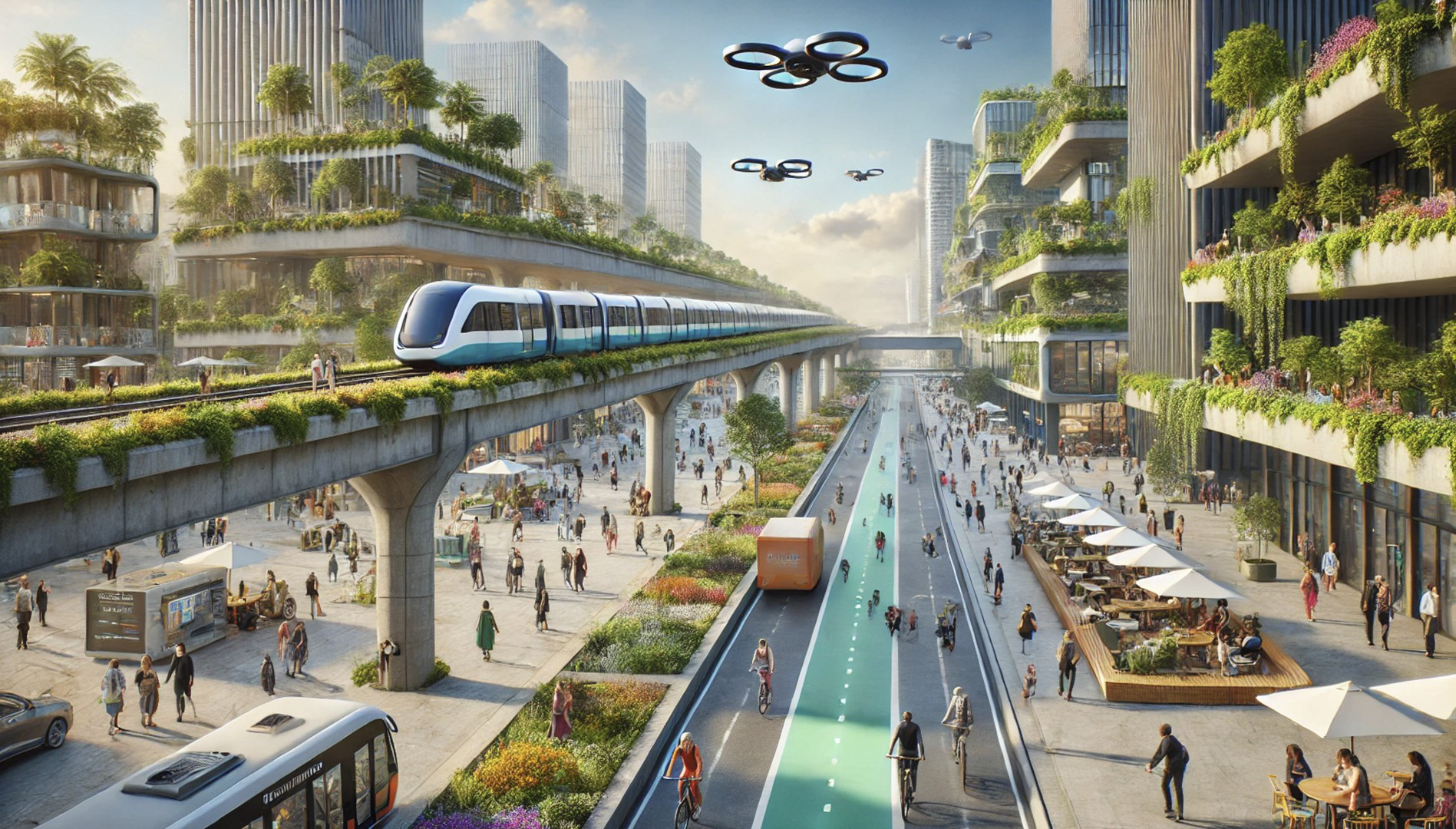
FedEx, 2040 Strategic Plan
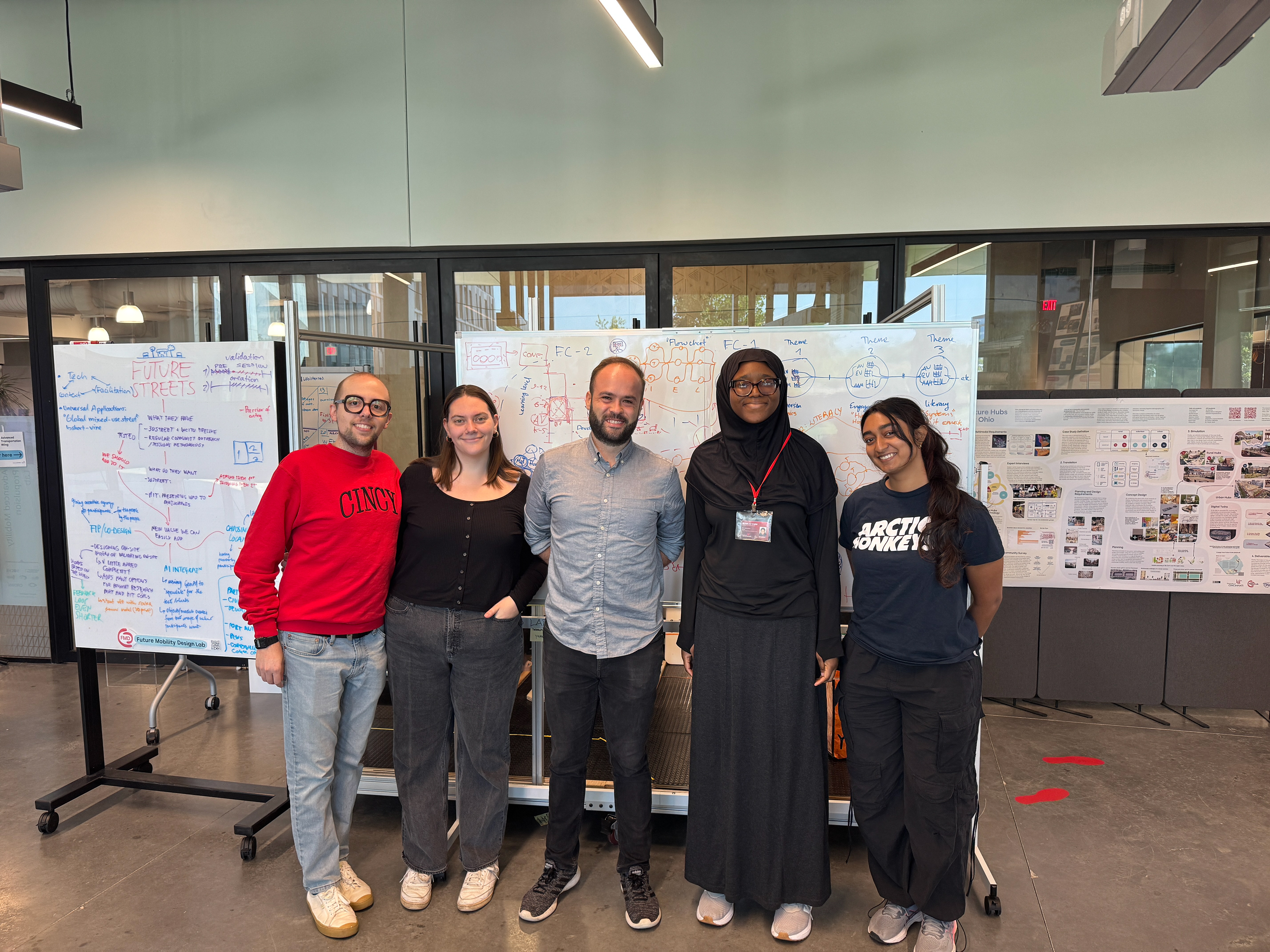
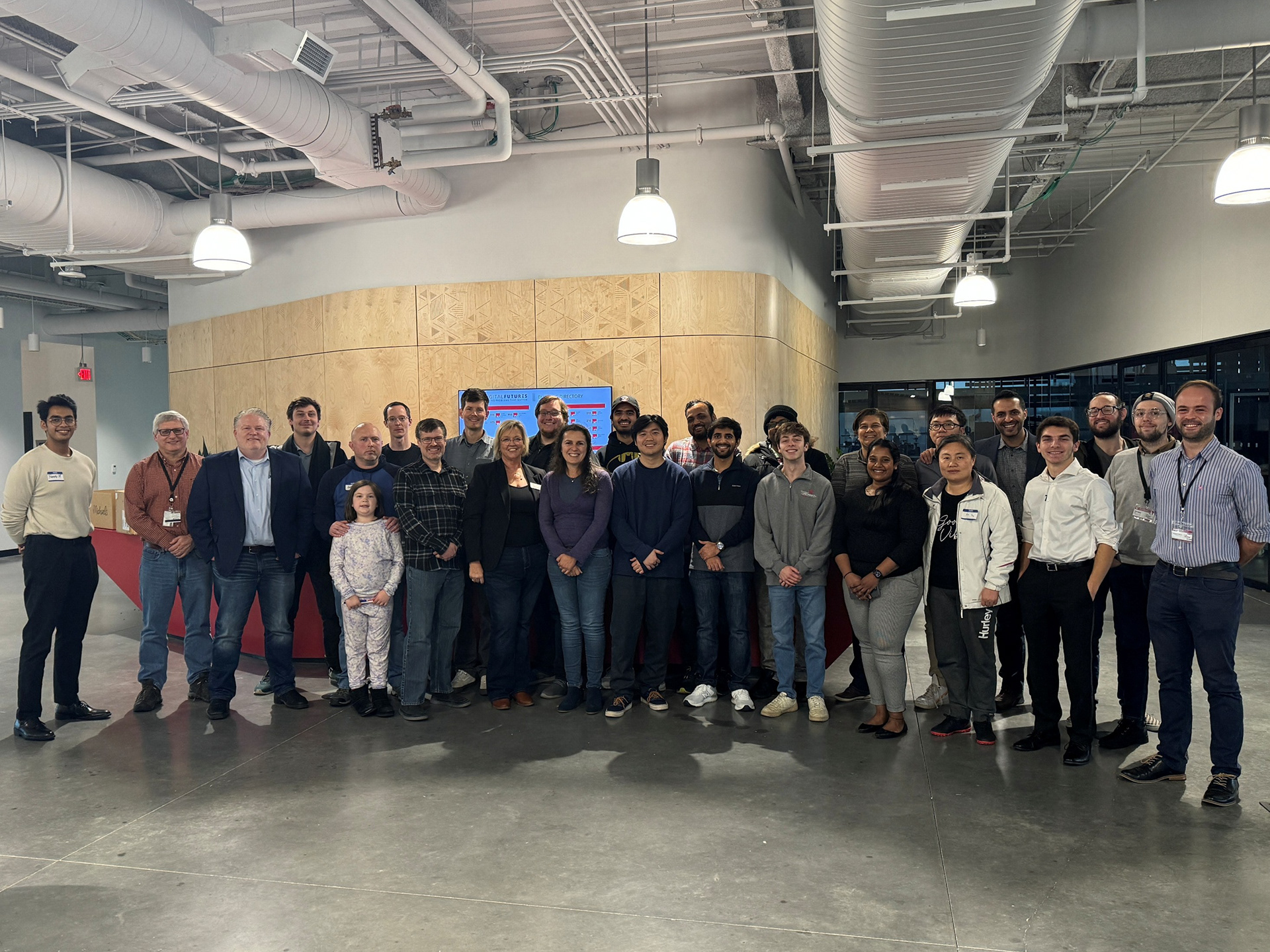
FMD Lab, Summer 2025 Team
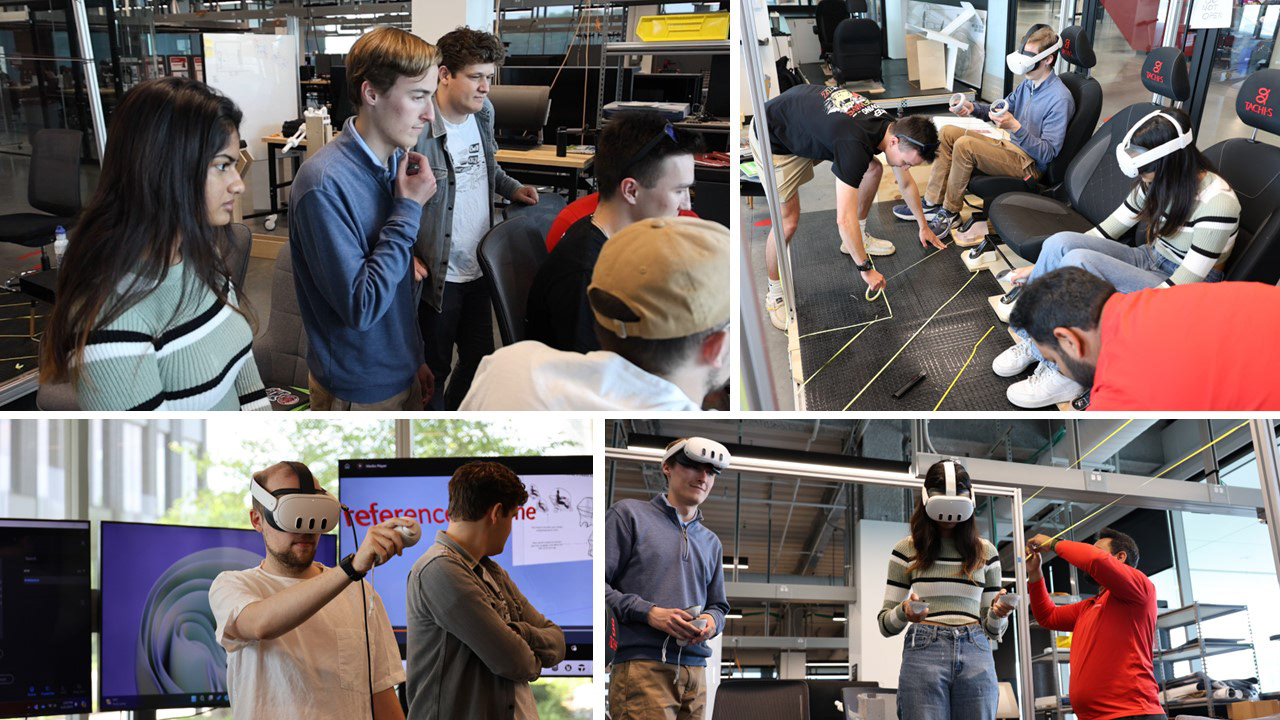
FMD Lab, Student Activity
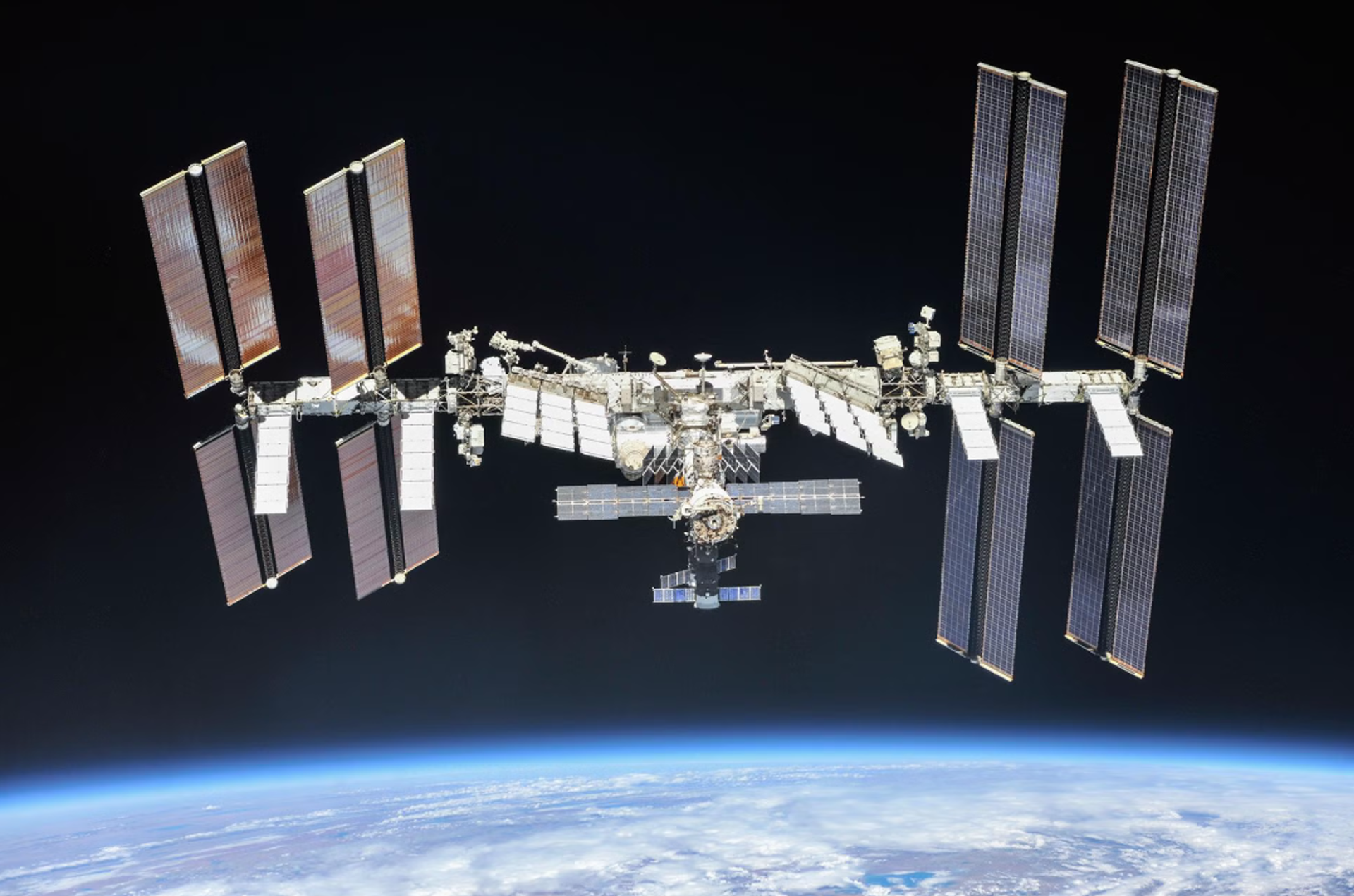
NASA, Autonomous Agent Cognitive Architecture for Spacecraft Operations
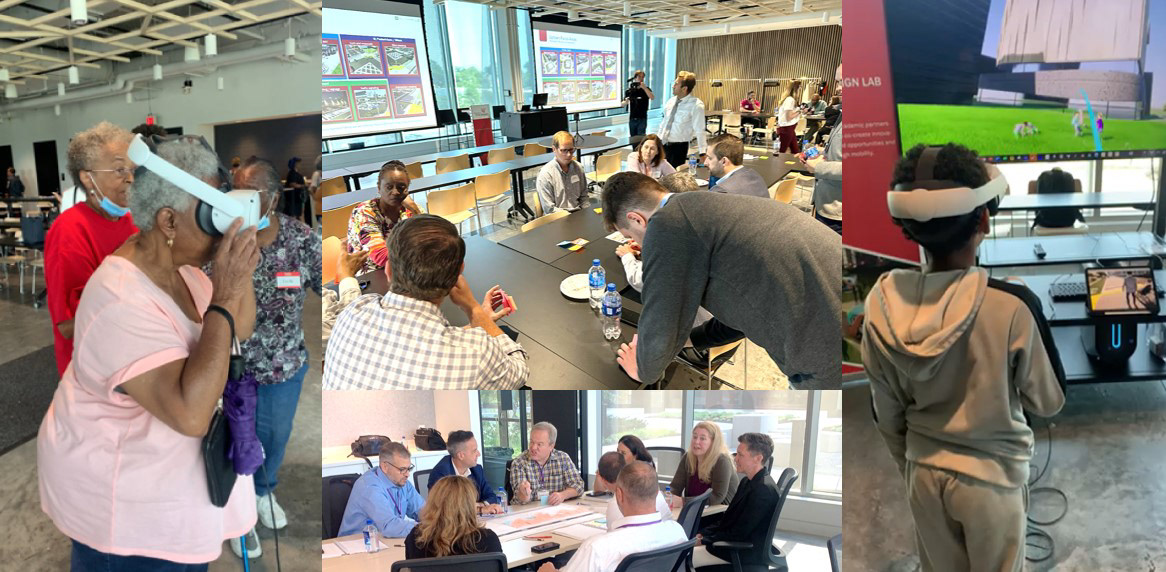
City of Cincinnati, Future Innovation Corridor Workshops
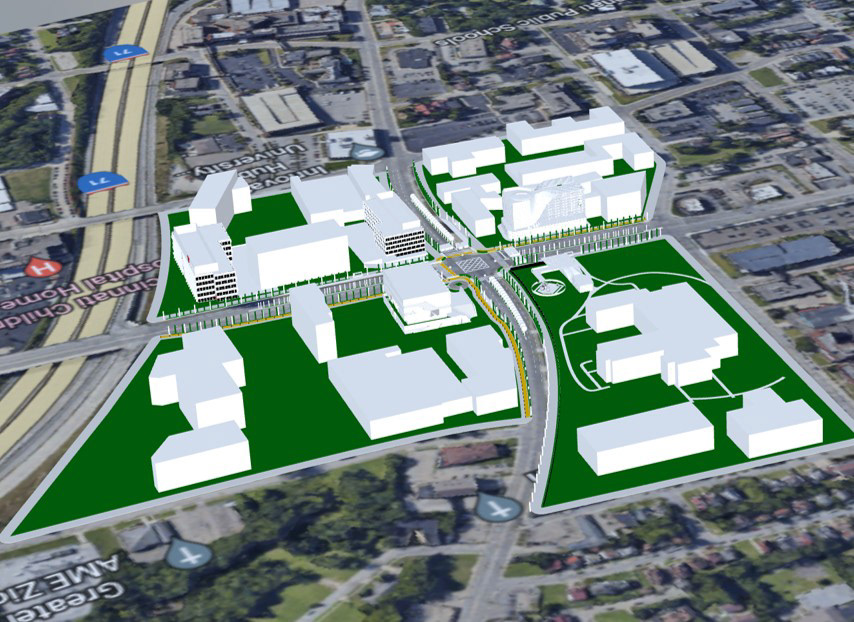
City of Cincinnati, Future Innovation Corridor
P&G / NVIDIA / HP, GenAI Sponsored Collaboration at DF
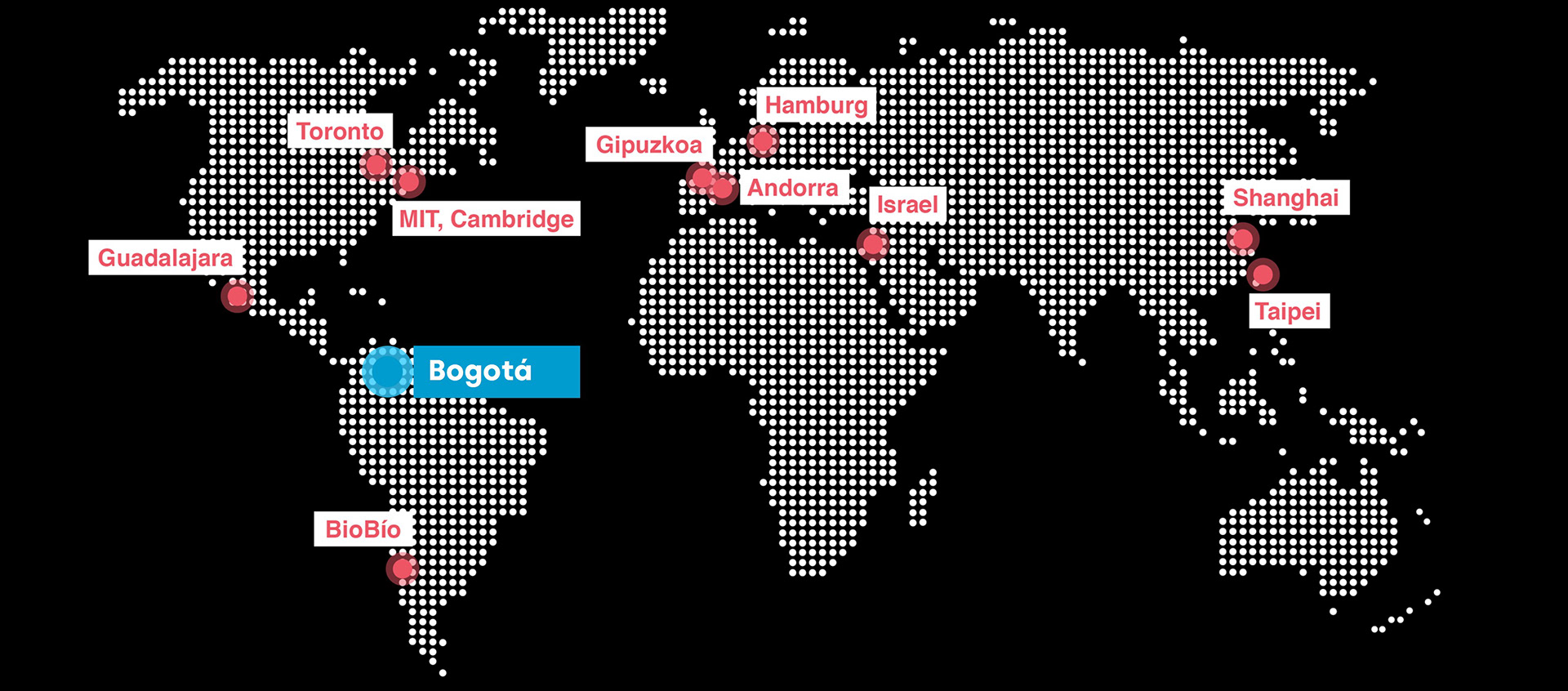
MIT City Science Network, Global Outreach Plan
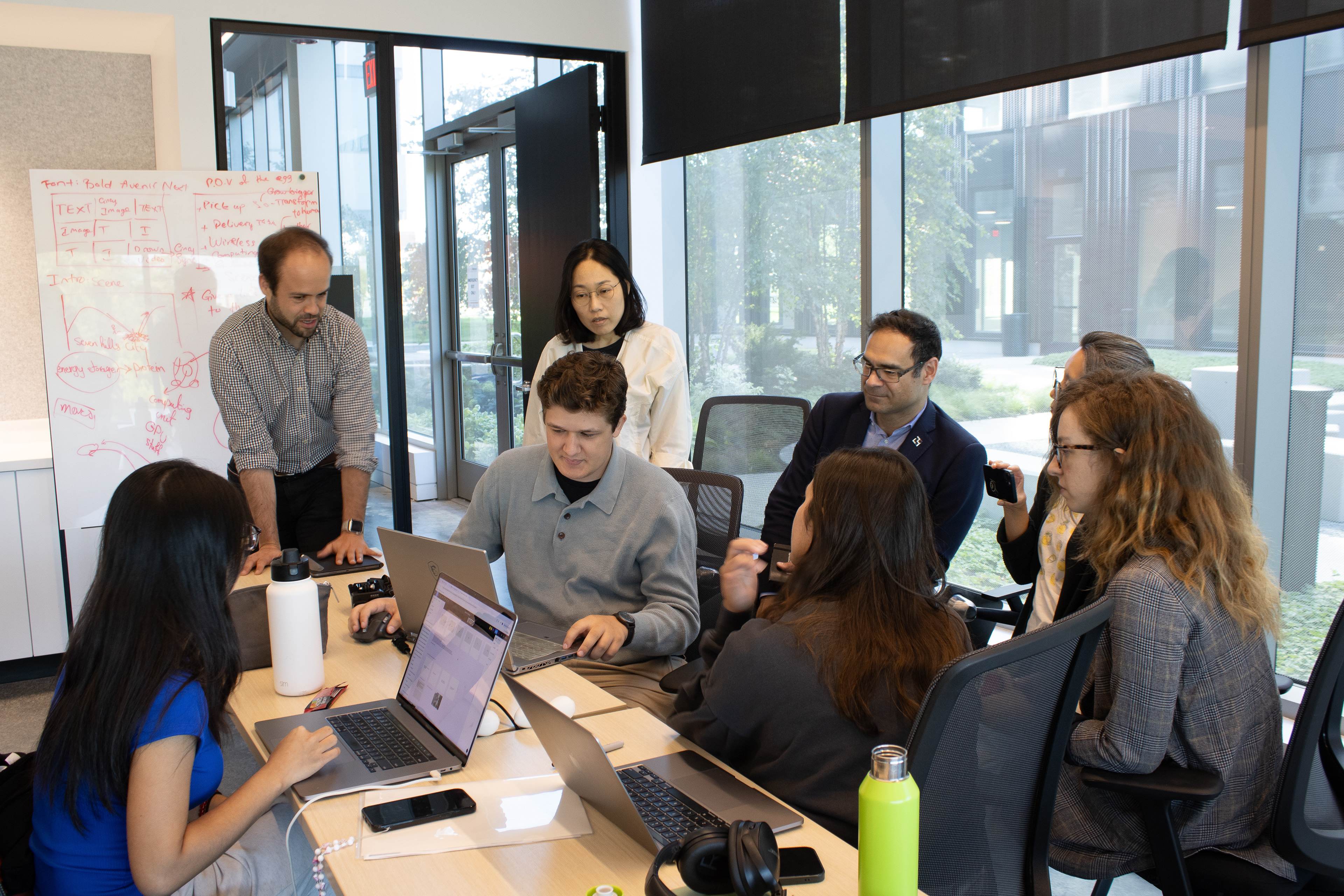
MIT City Science & Hyundai, Sponsored Project at DF
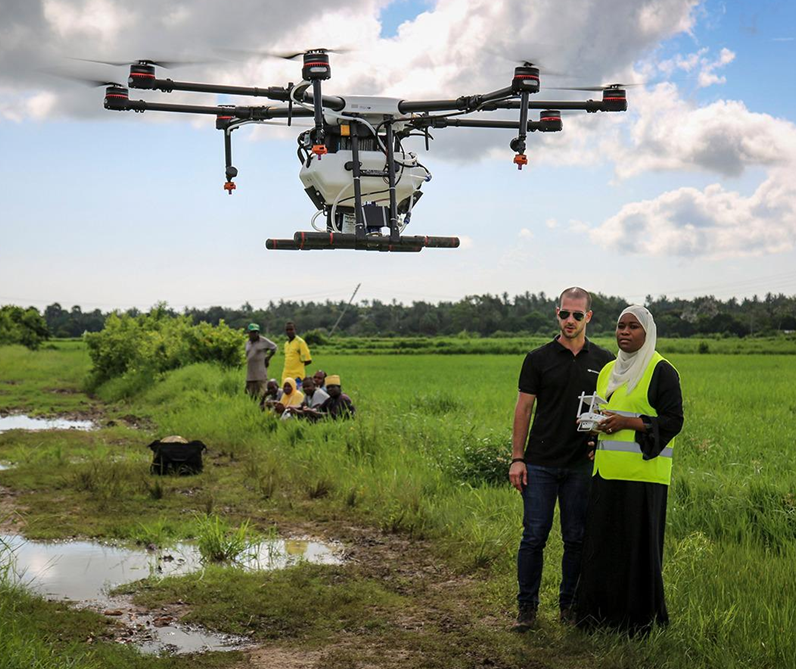
Western Africa, Reducing HIV incidence in kids
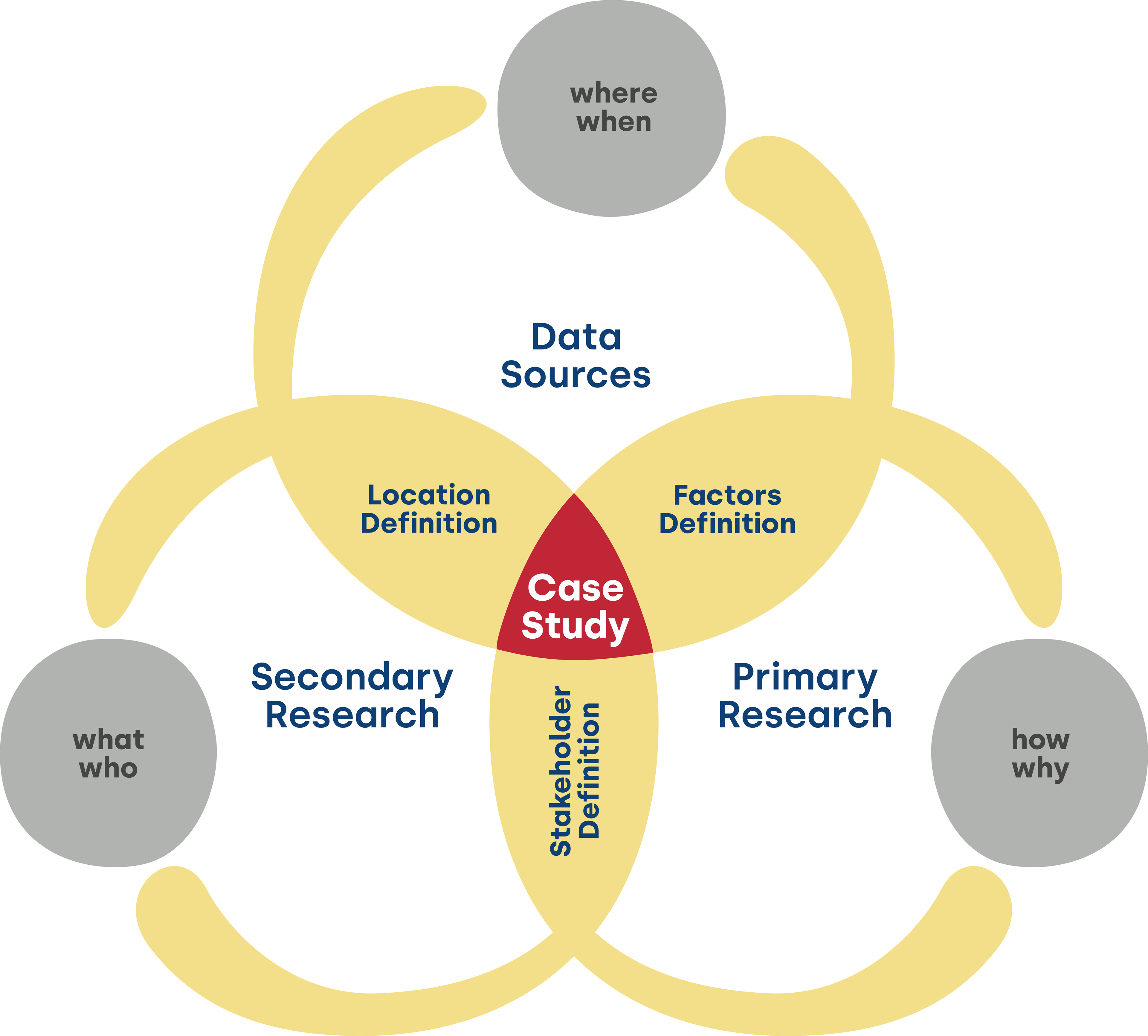
FMD Lab, Sample of Proprietary Methodologies
Strategic Partnerships
Strategic partnerships are the foundation of the Future Mobility Design Lab’s impact and global reach. Over the past several years, the Lab has built a diverse, multi sector network spanning academia, industry, government, and non profit organizations across the U.S. and internationally. These partnerships enable the Lab to operate at the intersection of research, policy, and practice, translating human centered insights and emerging technologies into real world outcomes. By working locally and globally, the FMD Lab connects ideas, people, and institutions to address complex societal challenges and deliver scalable solutions that improve quality of life across diverse contexts.
Academic Institutions
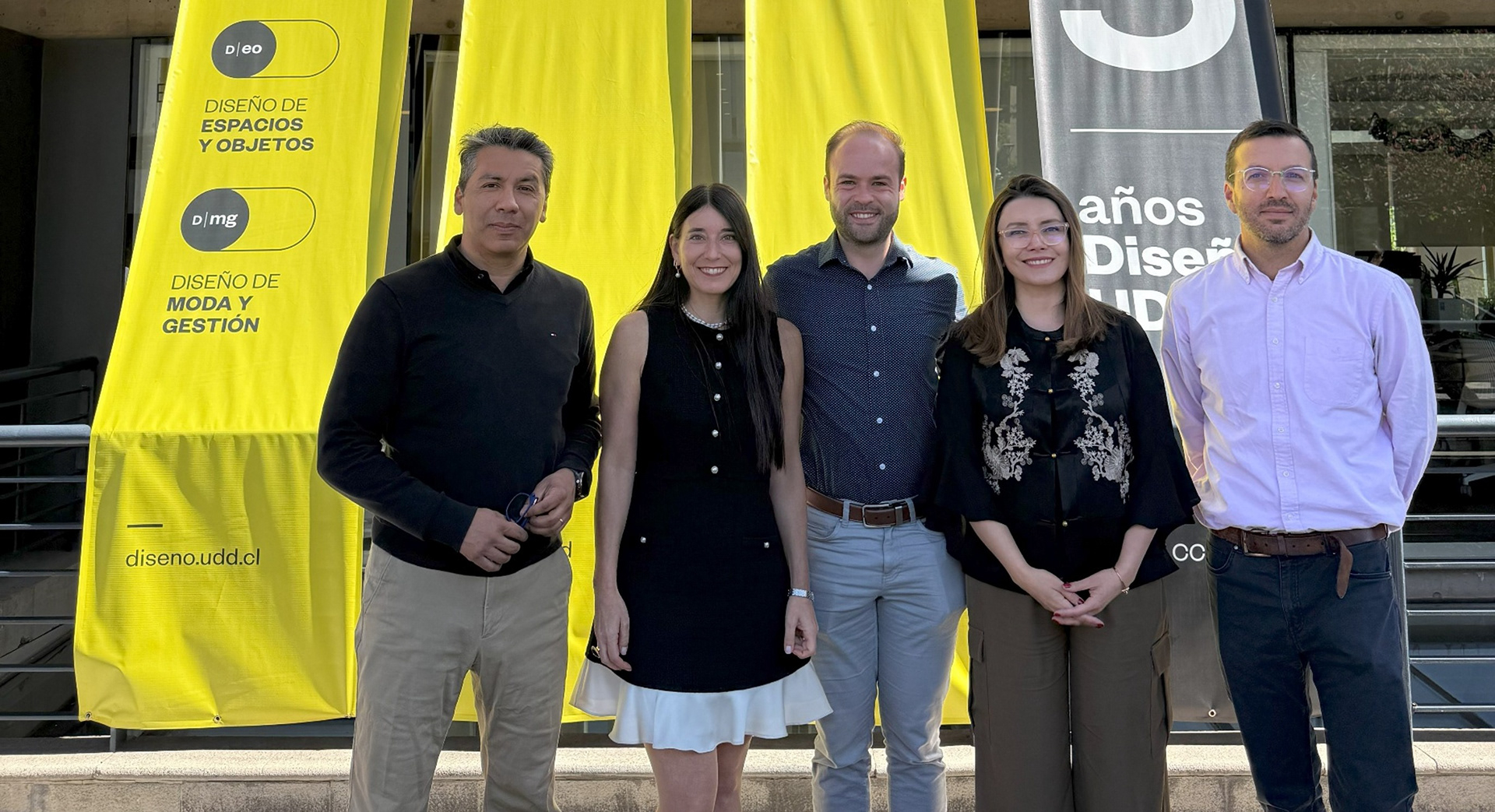
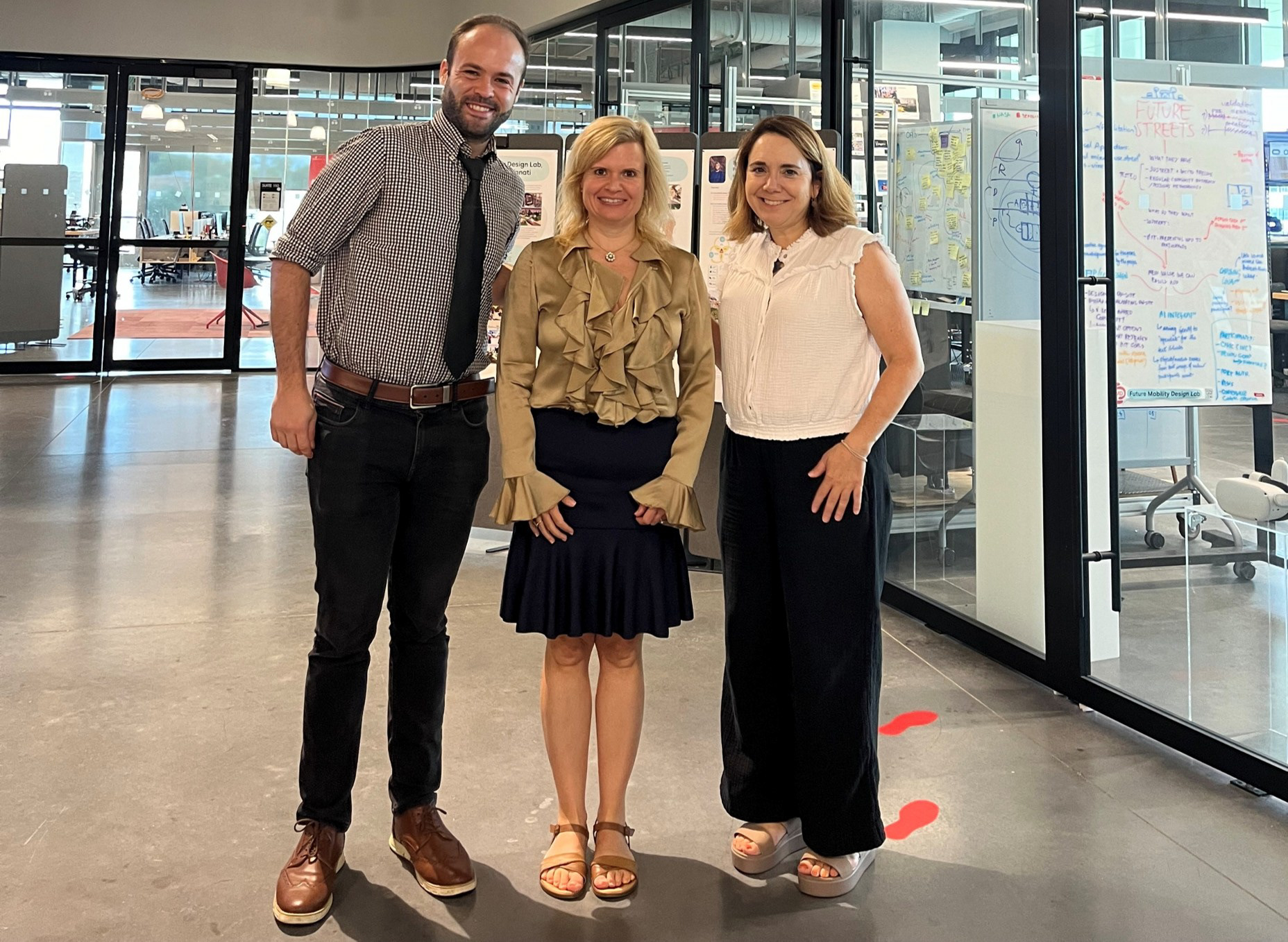
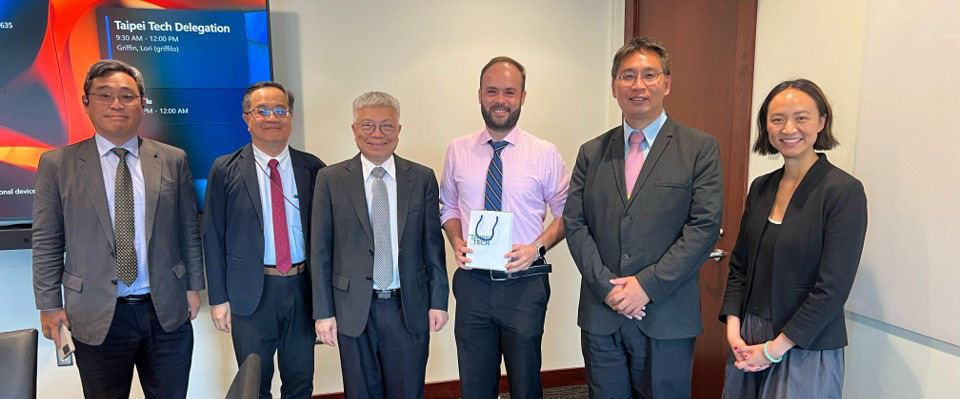
The FMD Lab has built a strong global academic network that supports interdisciplinary research, knowledge exchange, and talent development across continents. Through partnerships with institutions such as MIT Media Lab, Western Sydney University, National Taipei University of Technology, Queensland University of Technology, Université de Montréal, Pontificia Universidad Javeriana, Universidad del Desarrollo, Tecnológico de Monterrey, and others, the Lab advances collaborative research in human centered design, emerging technologies, and future cities. These relationships have a true global span from North America, Latin America, Europe, Asia, and Australia; enabling joint publications, student exchanges, comparative global studies, and the testing of methodologies across diverse cultural and socio political contexts, positioning the Lab as a trusted academic partner worldwide.
The FMD Lab has built a strong global academic network that supports interdisciplinary research, knowledge exchange, and talent development across continents. Through partnerships with institutions such as MIT Media Lab, Western Sydney University, National Taipei University of Technology, Queensland University of Technology, Université de Montréal, Pontificia Universidad Javeriana, Universidad del Desarrollo, Tecnológico de Monterrey, and others, the Lab advances collaborative research in human centered design, emerging technologies, and future cities. These relationships have a true global span from North America, Latin America, Europe, Asia, and Australia; enabling joint publications, student exchanges, comparative global studies, and the testing of methodologies across diverse cultural and socio political contexts, positioning the Lab as a trusted academic partner worldwide.
Industries
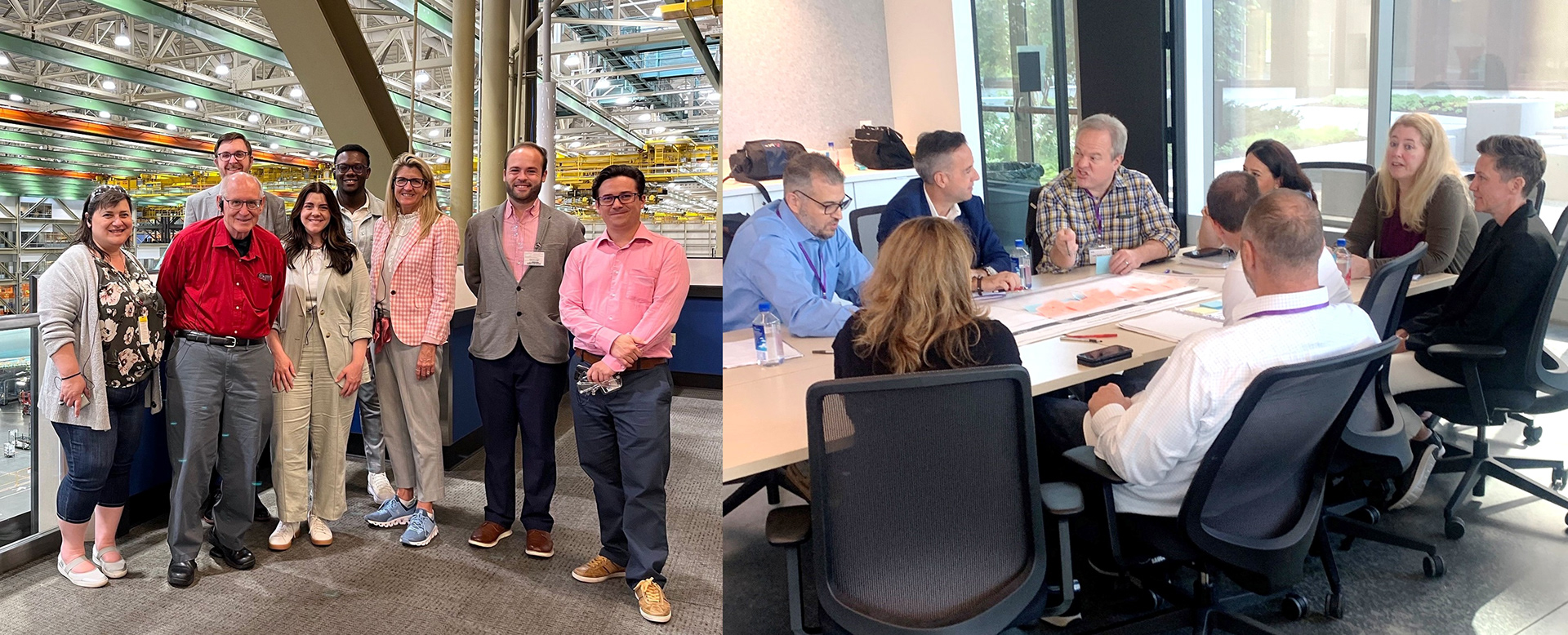
Industry collaboration is a core pillar of the FMD Lab’s impact, spanning aerospace, transportation, technology, consumer goods, consulting, and telecommunications. Long term and high impact engagements include leading future aviation research with Boeing, resulting in 8 U.S. patents and the Crystal Cabin Award, strategic foresight and innovation work with BTS for clients such as FedEx, and Generative AI research challenges with Procter & Gamble, NVIDIA, and HP. Additional partnerships with organizations such as Hyundai Motor Group, Gravity Sketch, and ETB demonstrate the Lab’s ability to translate research into real world innovation and strategic value across industries.
Industry collaboration is a core pillar of the FMD Lab’s impact, spanning aerospace, transportation, technology, consumer goods, consulting, and telecommunications. Long term and high impact engagements include leading future aviation research with Boeing, resulting in 8 U.S. patents and the Crystal Cabin Award, strategic foresight and innovation work with BTS for clients such as FedEx, and Generative AI research challenges with Procter & Gamble, NVIDIA, and HP. Additional partnerships with organizations such as Hyundai Motor Group, Gravity Sketch, and ETB demonstrate the Lab’s ability to translate research into real world innovation and strategic value across industries.
Government Entities
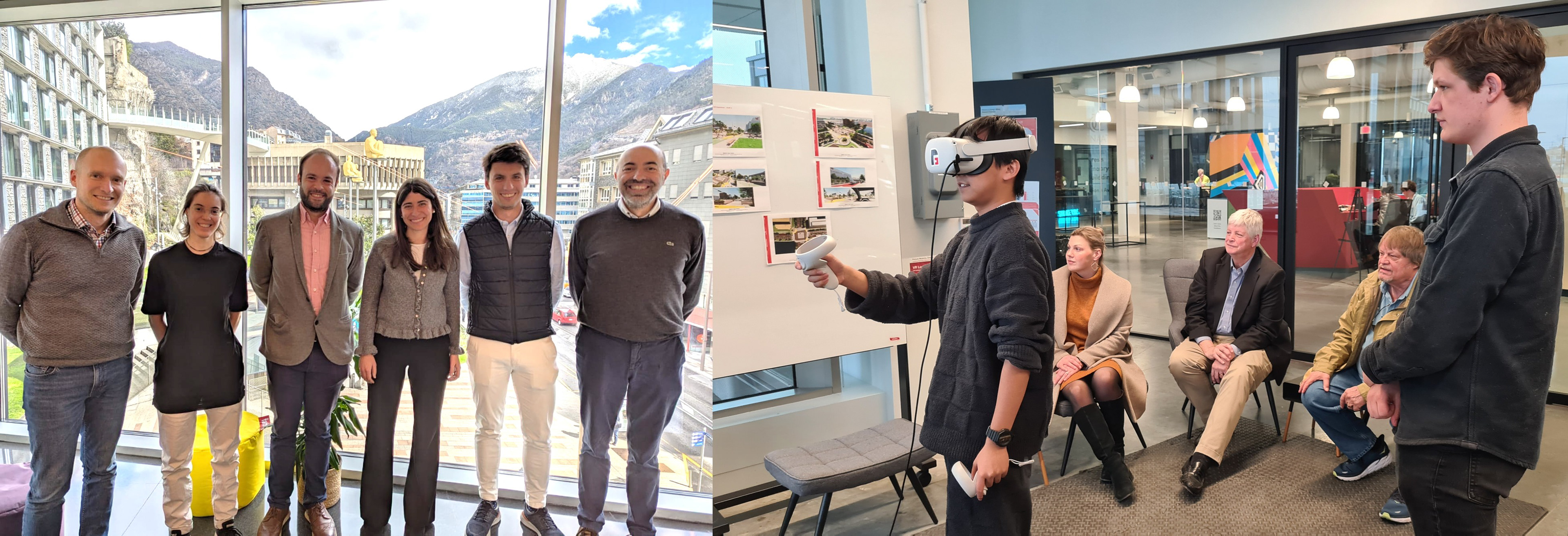
The FMD Lab works closely with government agencies at the local, state, national, and international levels to inform policy, infrastructure planning, and long term strategy. In the U.S., the Lab maintains an ongoing partnership with the Ohio Department of Transportation, representing more than $500,000 in funded research focused on next generation mobility and community infrastructure. Also NASA, with a design-led project focusing on human decision-making in outer space. Locally, collaborations with the City of Cincinnati, its Innovation Office, and the Port Authority of Greater Cincinnati have positioned the Lab as a key contributor to urban planning and sustainability initiatives, including leadership roles within the Green Cincinnati Plan. Internationally, the Lab has provided strategic advising to governments such as Andorra and Colombia, supporting future oriented national and regional transformation efforts.
The FMD Lab works closely with government agencies at the local, state, national, and international levels to inform policy, infrastructure planning, and long term strategy. In the U.S., the Lab maintains an ongoing partnership with the Ohio Department of Transportation, representing more than $500,000 in funded research focused on next generation mobility and community infrastructure. Also NASA, with a design-led project focusing on human decision-making in outer space. Locally, collaborations with the City of Cincinnati, its Innovation Office, and the Port Authority of Greater Cincinnati have positioned the Lab as a key contributor to urban planning and sustainability initiatives, including leadership roles within the Green Cincinnati Plan. Internationally, the Lab has provided strategic advising to governments such as Andorra and Colombia, supporting future oriented national and regional transformation efforts.
Non-Profits & Non-Government Organizations
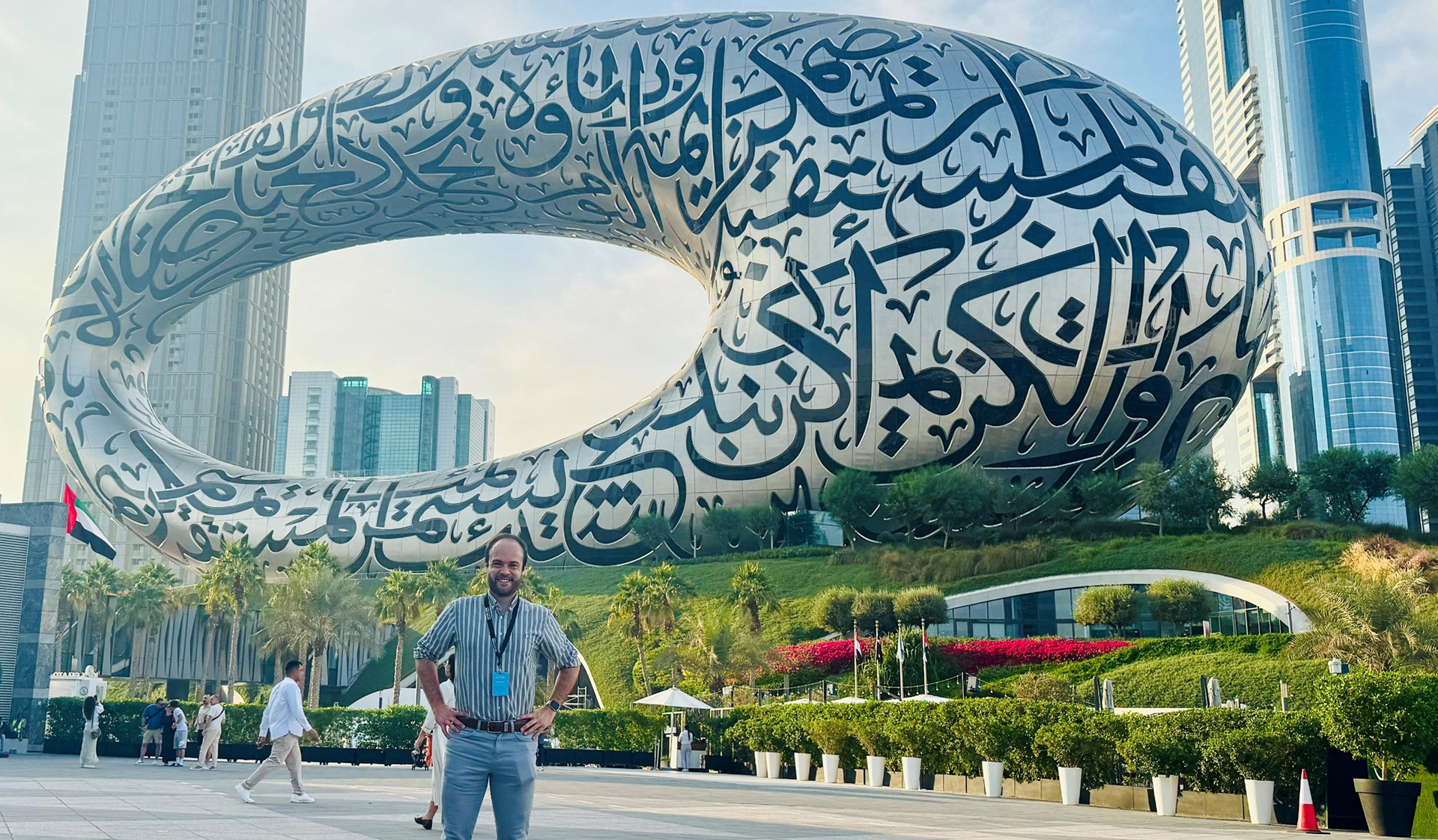
Complementing its academic, industry, and government work, the FMD Lab actively collaborates with non governmental organizations and global innovation networks to scale impact and inclusivity. Membership in the MIT City Science Network positions the Lab within a leading international ecosystem focused on city innovation and human centered technology. Engagement with the Dubai Future Foundation and partnerships with organizations such as Despacio enable the Lab to test and adapt its methodologies in real world contexts, particularly across the Global South, where challenges related to multimodal mobility, access, and equity are most pressing. Together, these collaborations reinforce the Lab’s long term vision to operate as a globally recognized platform for human centered, technology enabled societal innovation that advances equity, quality of life, and the future of cities worldwide.
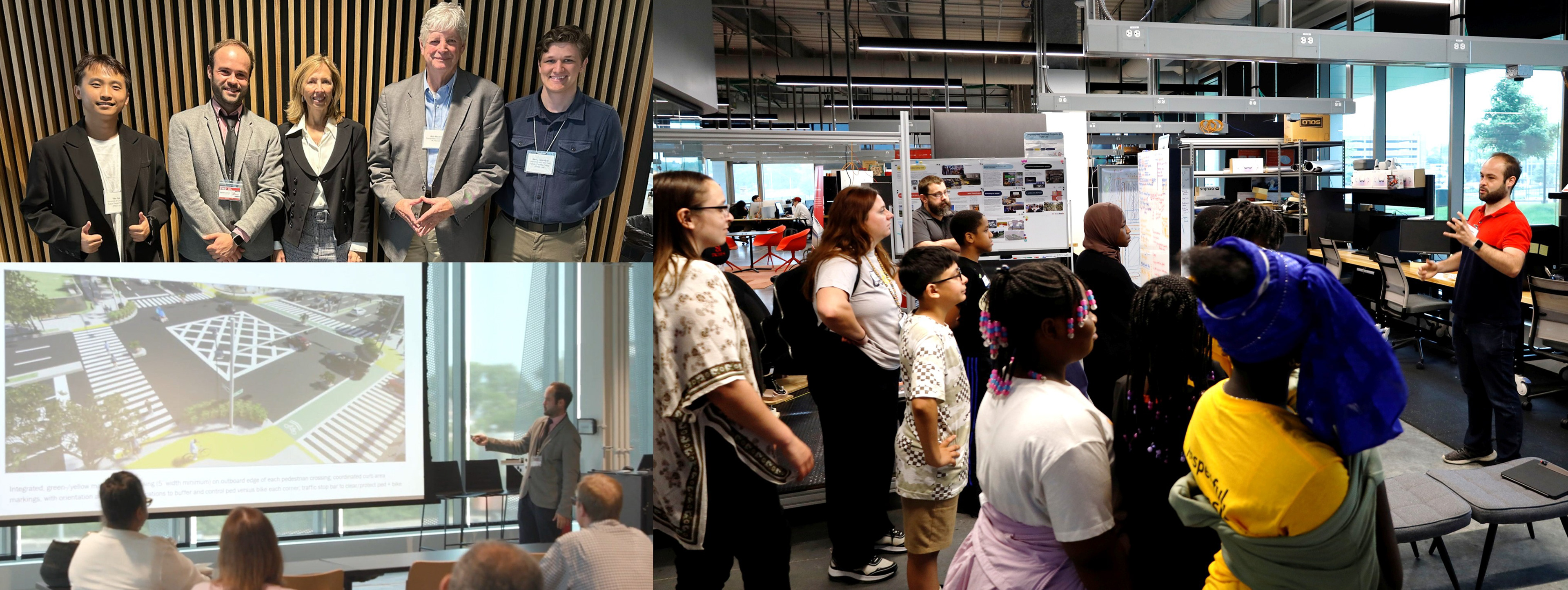
Over the past 4+ years, the Future Mobility Design Lab has evolved into a nationally and internationally recognized platform for human centered, technology enabled innovation, with measurable impact across academia, industry, government, and communities worldwide. Our partners continue to engage with the Lab because of its proprietary methodologies, proven ability to translate complexity into actionable insight, and consistent delivery of high value outcomes that inform strategy, policy, and real world implementation. This work is sustained by a resilient business and funding model, a strong pipeline of talented undergraduate and graduate students trained in interdisciplinary and future forward thinking, and a global network of collaborators who trust the Lab as a long term partner. Together, these elements position the FMD Lab not only as a research entity, but as a scalable engine for innovation and leadership, advancing quality of life and shaping the future of cities, systems, and societies at a global scale.
- Bonus Content -
Some extra miscellaneous content!
Interested in more information?
The work of the Future Mobility Design Lab includes over 4 years of proprietary projects with global partners. While specific outcomes are NDA protected, the methodologies and frameworks are shareable, and I would be glad to discuss the process and impact in more detail upon request.