
Leading future-focused UX and design strategy engagements with global FedEx executives, in partnership with BTS, applying strategic foresight, user research, and design thinking to reimagine business models, workforce, and operations over a 10–20 year horizon. The work included 3 executive sessions, engaged 15 global leaders, applied 5 UX methods, and delivered 2 service design roadmaps and a consolidated outcomes report now informing FedEx’s long-term strategy under NDA.
Timeline: 2024
Industry: Transportation & Logistics.
Roles: Project Lead and Facilitator.
Team included BTS facilitators, 15-20 Global FedEx Executives.
Funding Amount: NDA protected.
Results & Impact
• Delivered strategic frameworks now used by FedEx to evaluate and stress-test long-term roadmaps, with follow-up executive workshops planned to extend this work.
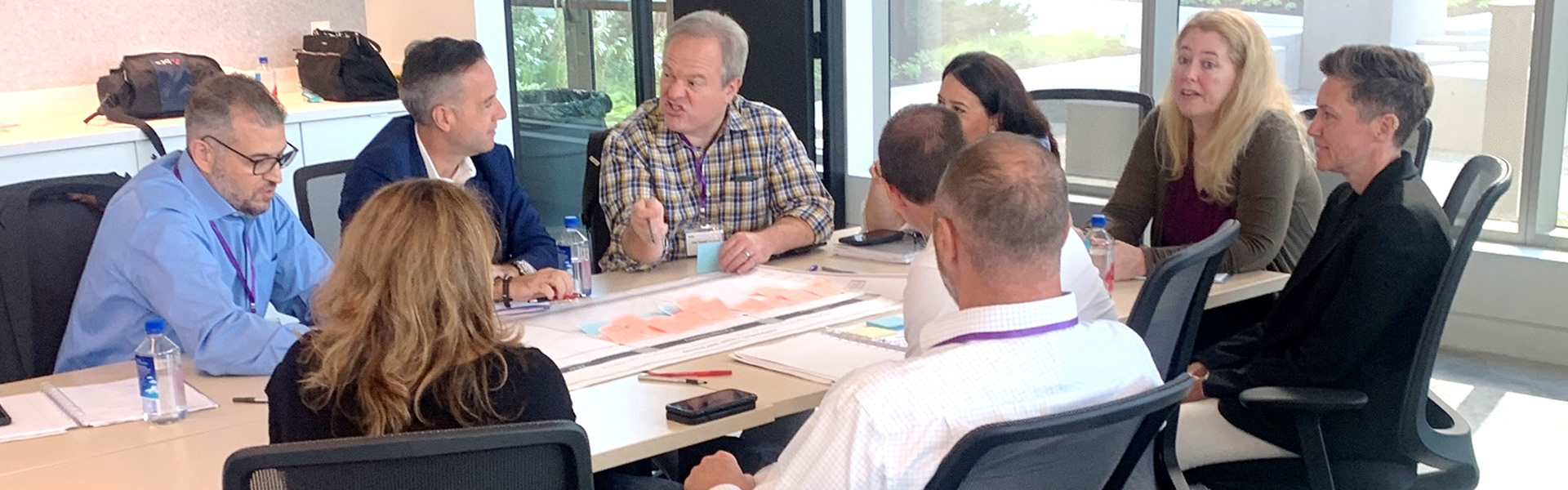
• Facilitated senior leadership alignment around a shared, future-facing vision of the company through 2 virtual preparation sessions with BTS consultants and FedEx stakeholders, followed by a full-day, in-person workshop with 15 global FedEx executives hosted at my lab in Cincinnati.
• Produced 2 Service Design roadmaps based on 5 UX research and design methods (user journeys, service blueprints, user personas, immersive AR/VR future scenarios, Generative AI assisted co-design), generating foundational research that now informs internal planning for technology adoption, operational evolution, and workforce strategy.
• Delivered a consolidated outcomes report capturing insights, opportunity areas, and next steps, establishing a clear foundation for continued collaboration under NDA.
• Focus: How a global company can reinvent its business model amid rapid technological change using user-centered design and strategic foresight.
• Methods: UX research and design thinking methods including journey mapping, Generative AI, stakeholder analysis, service blueprinting, and AR/VR future scenarios.
• Confidentiality: All insights, data, and outcomes are NDA protected and cannot be publicly disclosed.
Synopsis
• FedEx is operating at a pivotal moment as AI, automation, autonomy, and platform economies rapidly reshape logistics, workforce models, and customer expectations, challenging long-standing operational assumptions.
• The pace and scale of technological change require a shift from incremental optimization to a fundamentally new, human-centered approach to business model reinvention over a 10–20 year horizon.
• This engagement created space for senior leaders to step outside day-to-day operations and critically examine how emerging technologies and societal shifts will redefine FedEx’s role, value creation, and organizational structure in the future.

Phase 1: A window into the Future
• Introduced 15+ global FedEx executives to key megatrends shaping the next 10–20 years, including AI, automation, and the evolving digital economy.
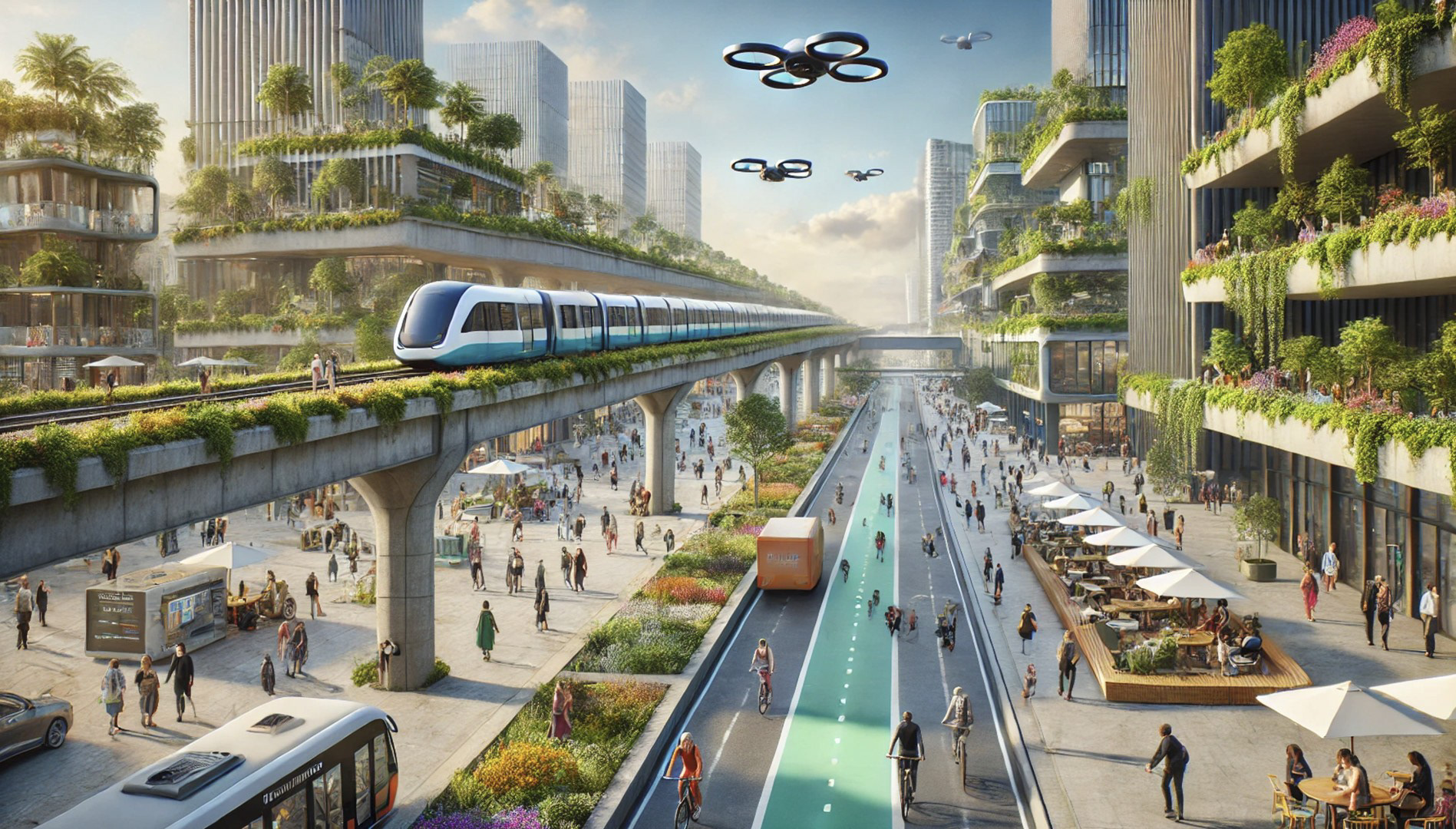
• Applied strategic foresight frameworks, Generative AI concepting, and immersive AR/VR scenarios for executives to begin visualizing future operational and urban logistics environments.
• Trained executives in common UX frameworks such as user journeys, stakeholder mapping, card sorting, to establish a shared toolkit that allows deeper concept and business model exploration.
Phase 2: Current Day in the Life
•Applied User Journey methods to map the CURRENT experience of a core user, the FedEx delivery driver.
•Included persona archetypes, stakeholder mapping, and facilitation, to uncover key touchpoints, tasks, tools, decision moments, and operational constraints across the end-to-end delivery process.
•Outcomes included 2 complete user journeys, 3 stakeholder maps, and 60+ post-it note insights from FedEx experts.
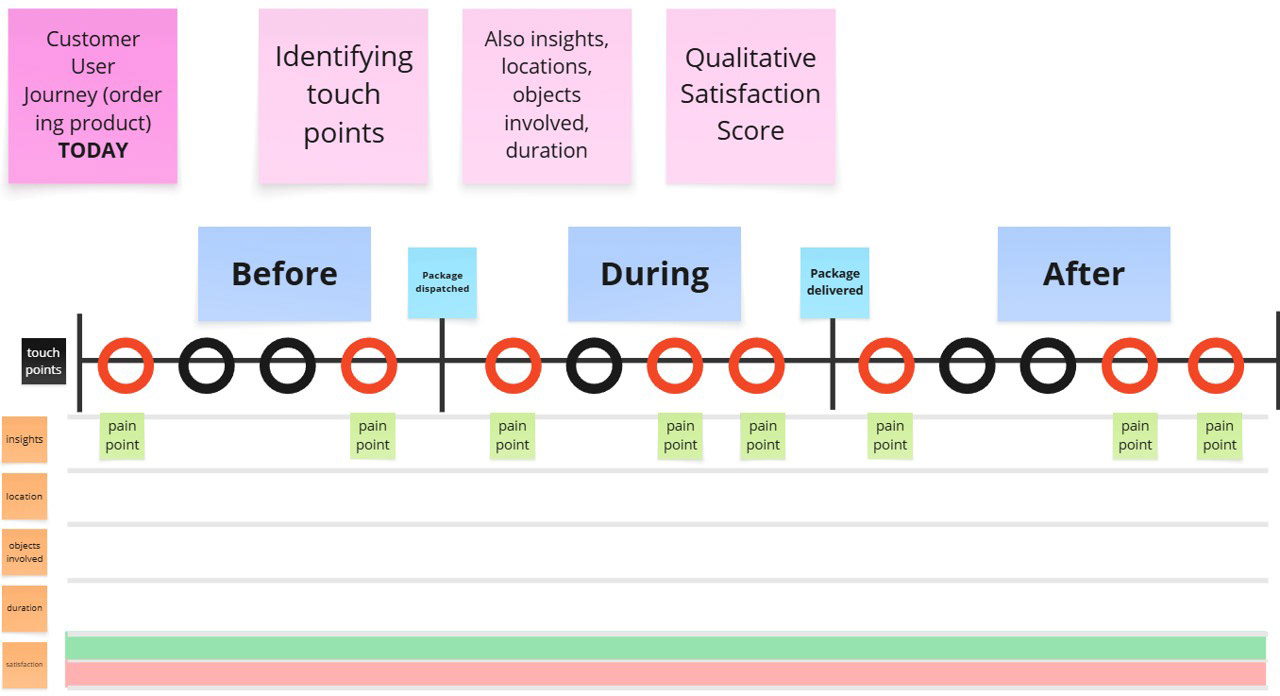
User Journey Map Framework, FedEx Delivery Driver CURRENT Day-in-the-life.
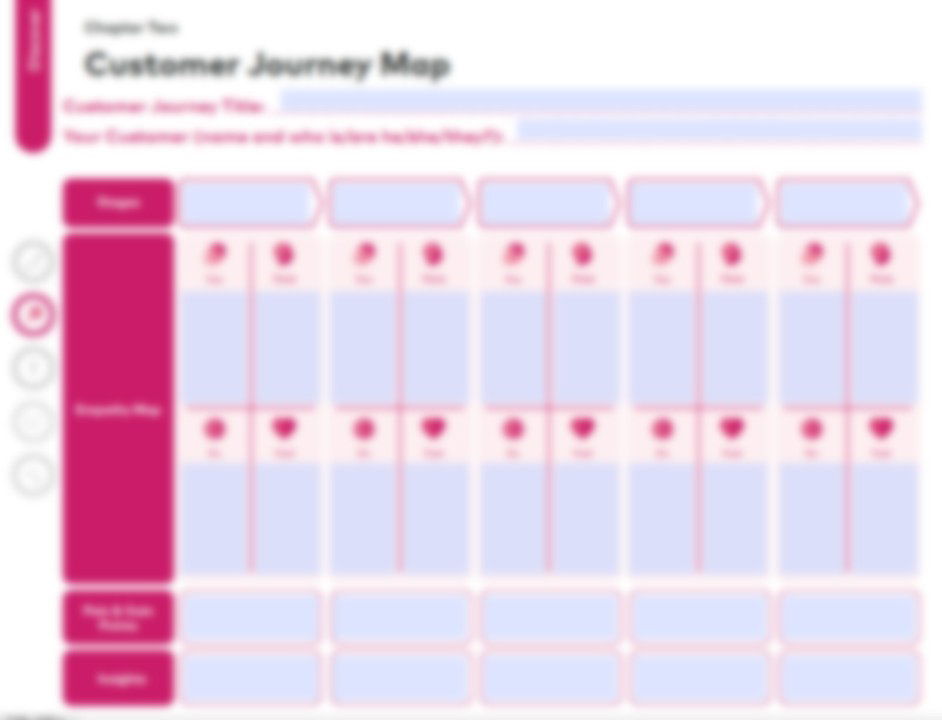
BTS Customer Journey Map framework
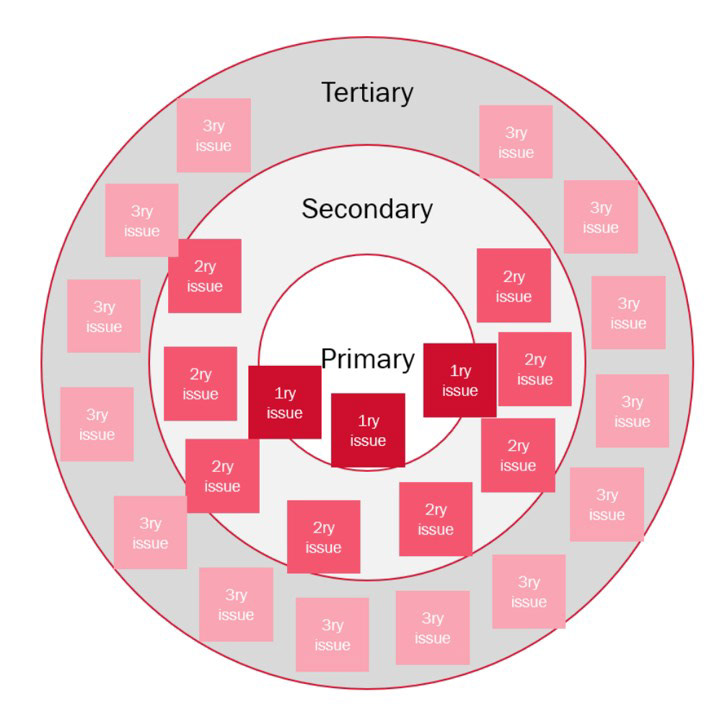
Stakeholder Map framework
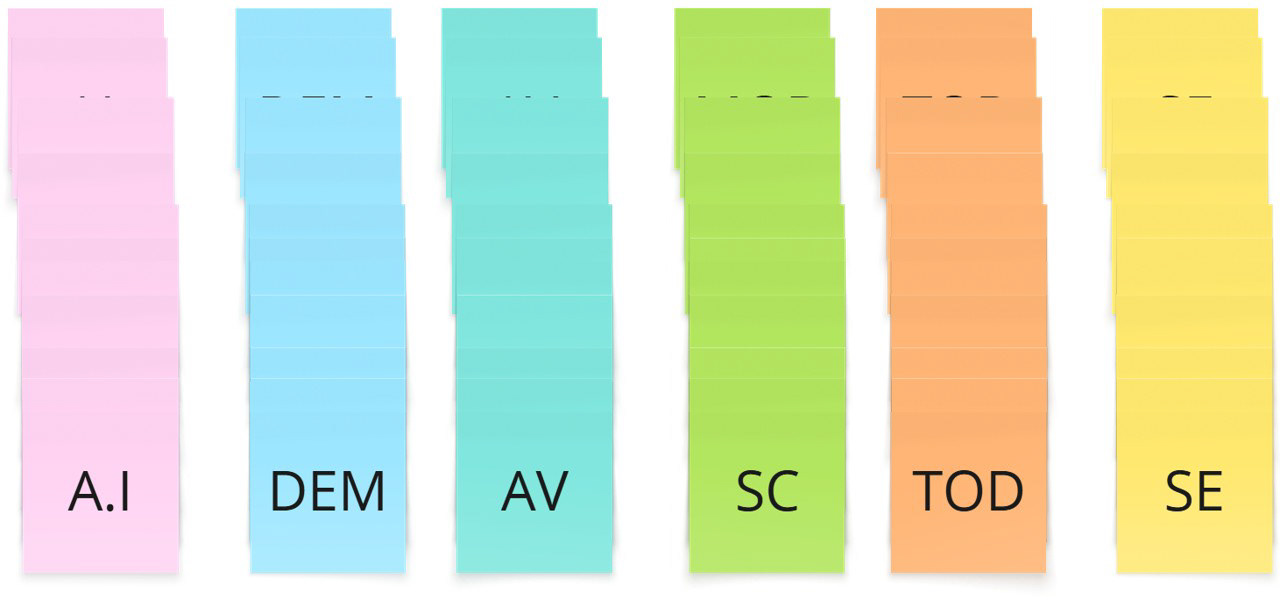
Sample Megatrends used: Artificial Intelligence, Demographics, Autonomous Vehicles, Smart Cities, Transit Oriented Development, Shared Economy
Phase 3: Future Day in the Life
•Projected the same UX journey 10–20 years into the future, by applying insights from Phases 1 & 2 on AI, automation, and digital platforms to reimagine roles, workflows, tools, and decision points.
•Used UX frameworks, Generative AI scenario ideation, and facilitation to evaluate how emerging technologies could address current pain points and unlock operational efficiencies. 20+ pain points from Phase 2 were redefined in a future context.
•Outcomes included 2 future-state journey maps, prioritized opportunity areas, over 100 post-it notes of expert insights mapped on key pain points, and strategic inputs informing future business models.
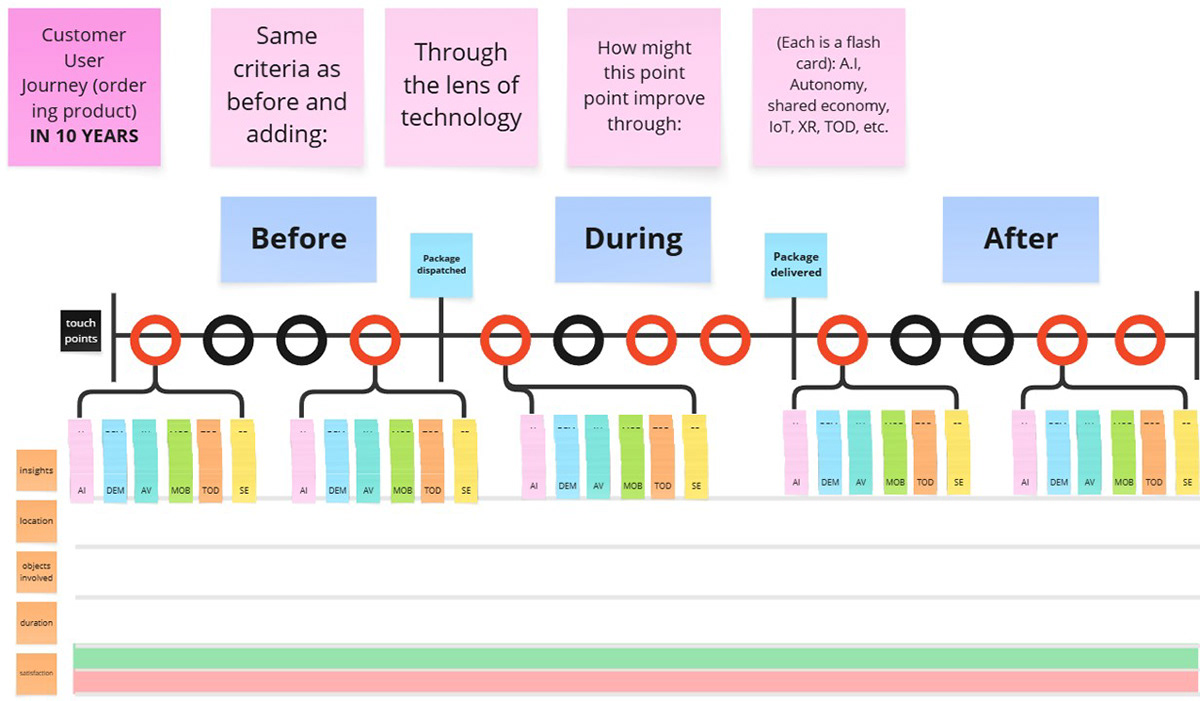
User Journey Map Framework, FedEx Delivery Driver FUTURE Day-in-the-life.
Mapping Exercise
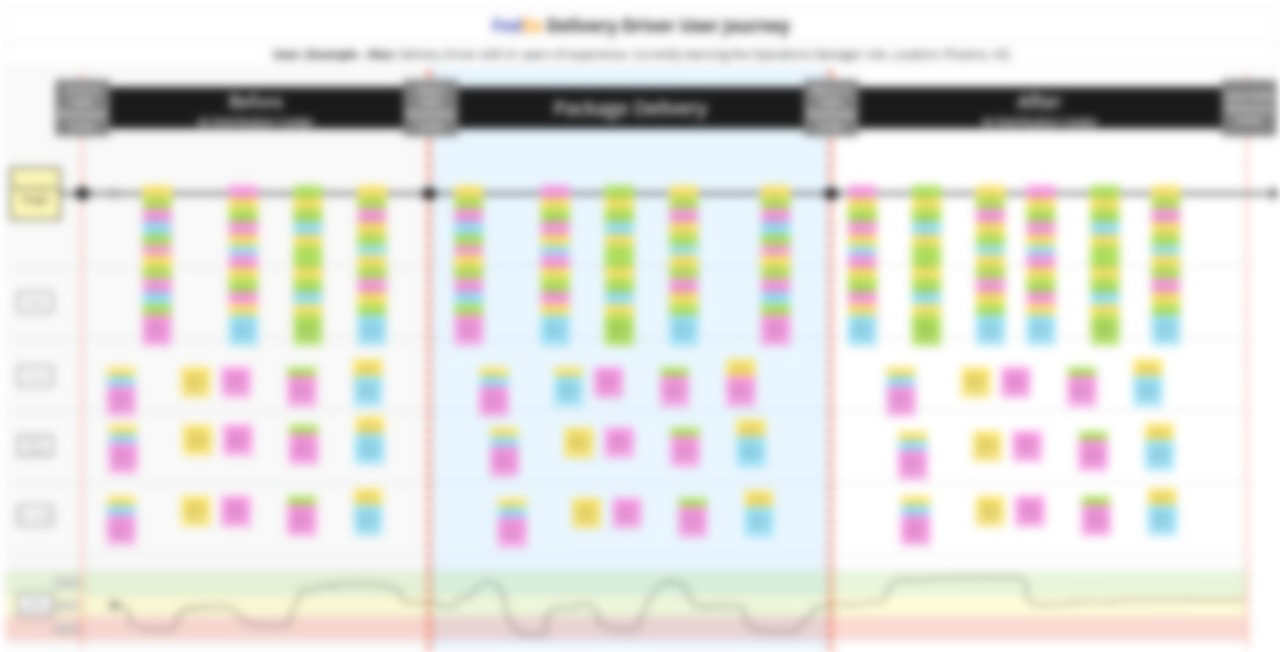
Blurred User Journey Map from Phase 3
Outcomes
•Delivered foundational research aligning 15+ global FedEx executives around a shared, future-facing strategic baseline across 3 executive sessions.
•Applied 5 UX research and design methods, resulting in 2 Service Design roadmaps, 4 user journey maps, and a consolidated outcomes report now used to evaluate long-term roadmaps and guide technology and workforce planning under NDA.
•Conducted a post-session executive survey to measure the effectiveness of the frameworks and validate the strategic value of the insights generated.
•Established a pathway for future executive workshops and continued collaboration, building on the validated methodologies and internal adoption of the outputs.